Student Spring 2012
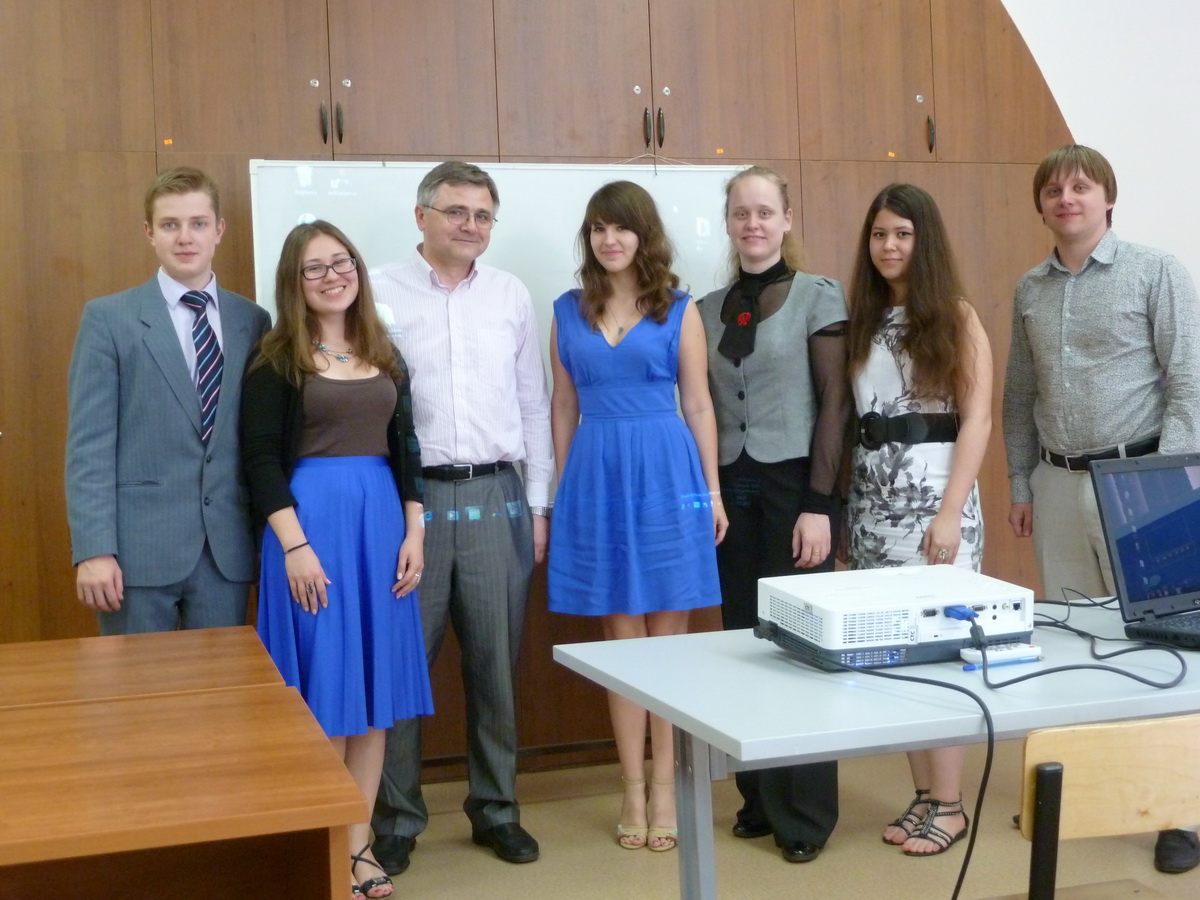
Open material
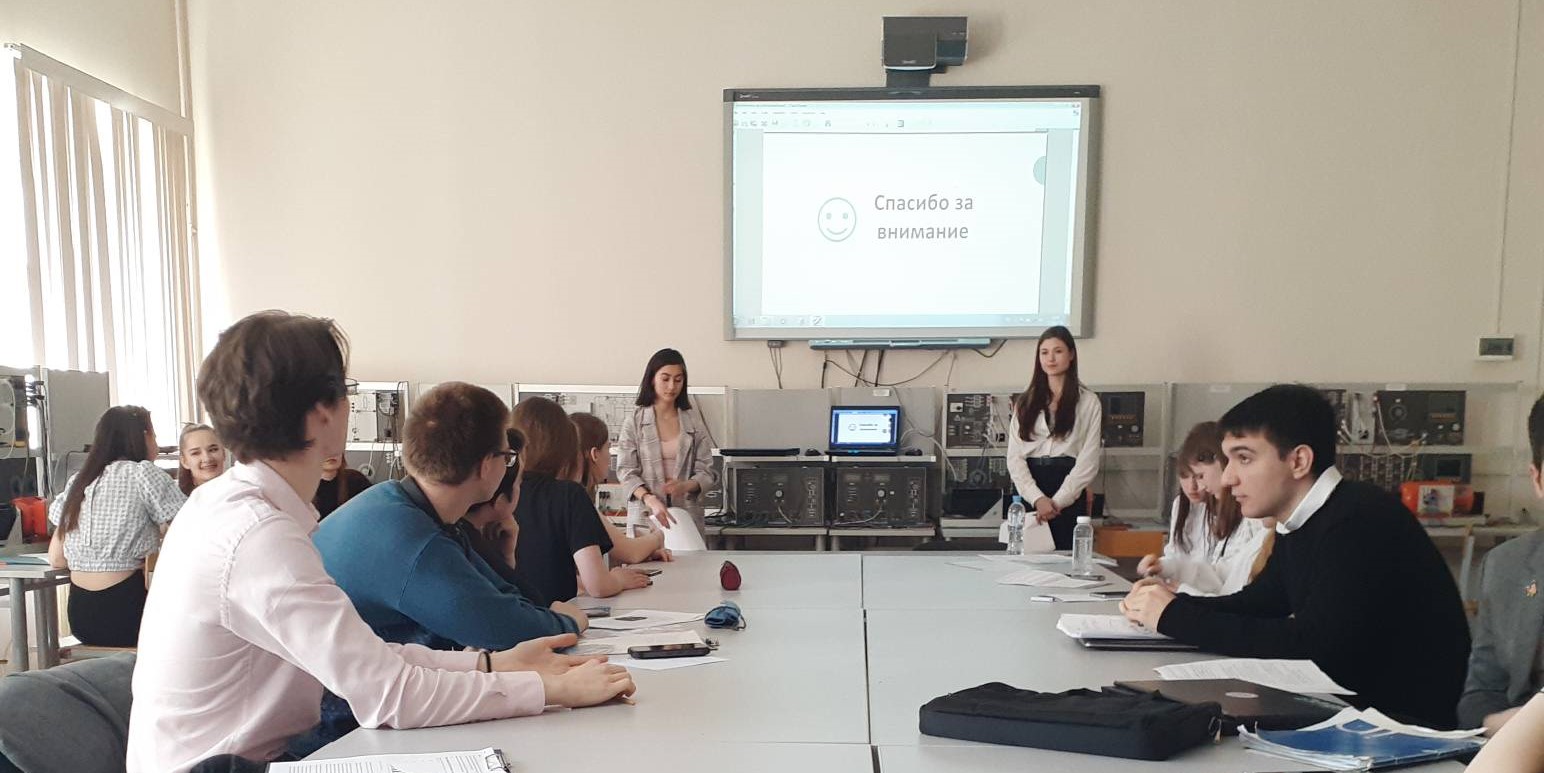
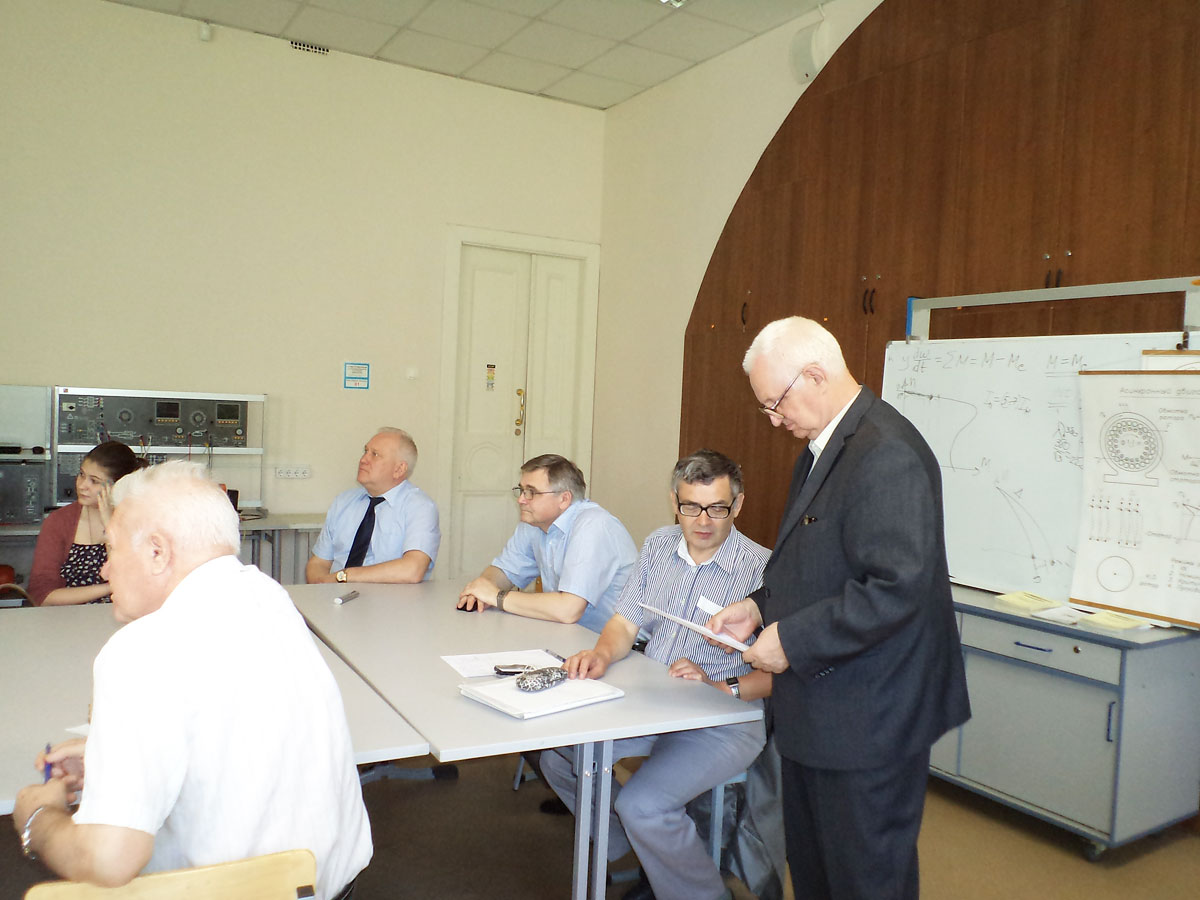
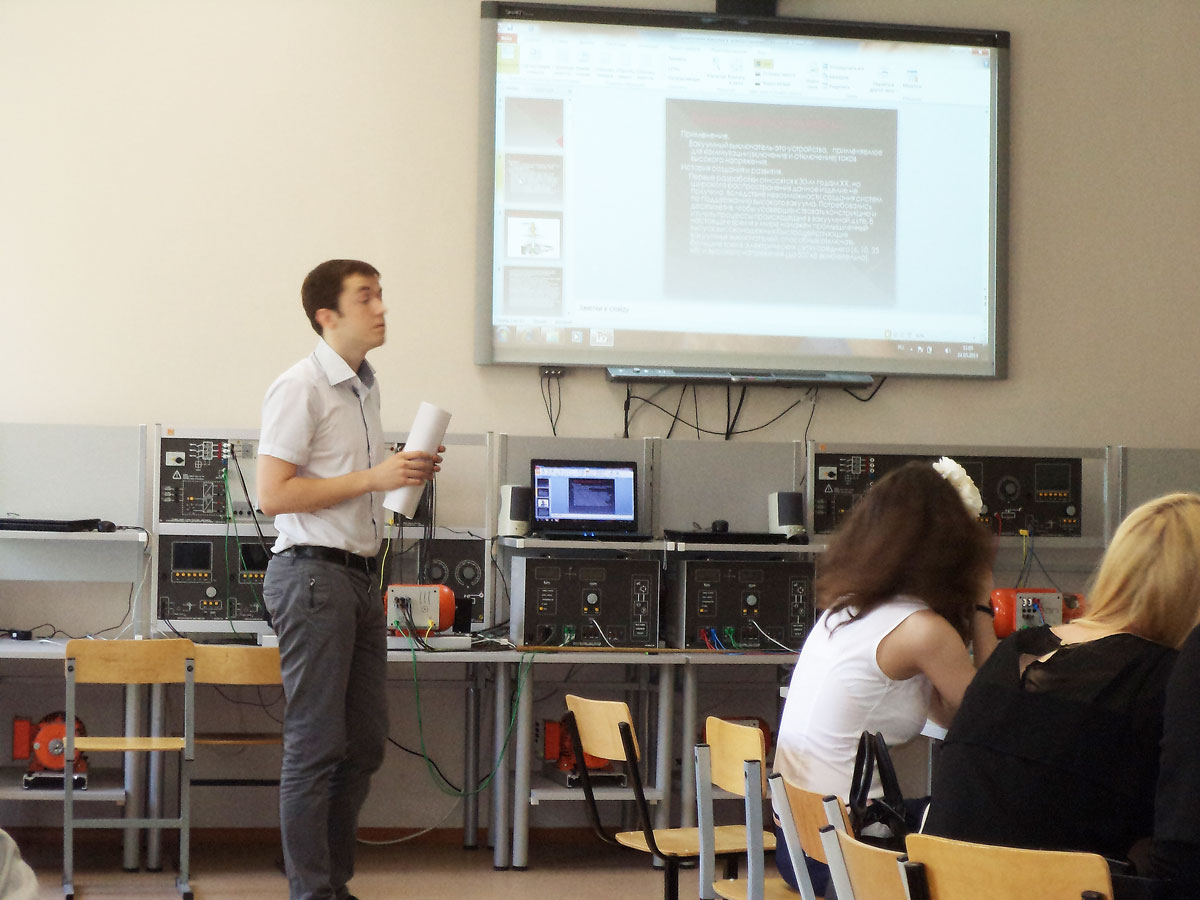
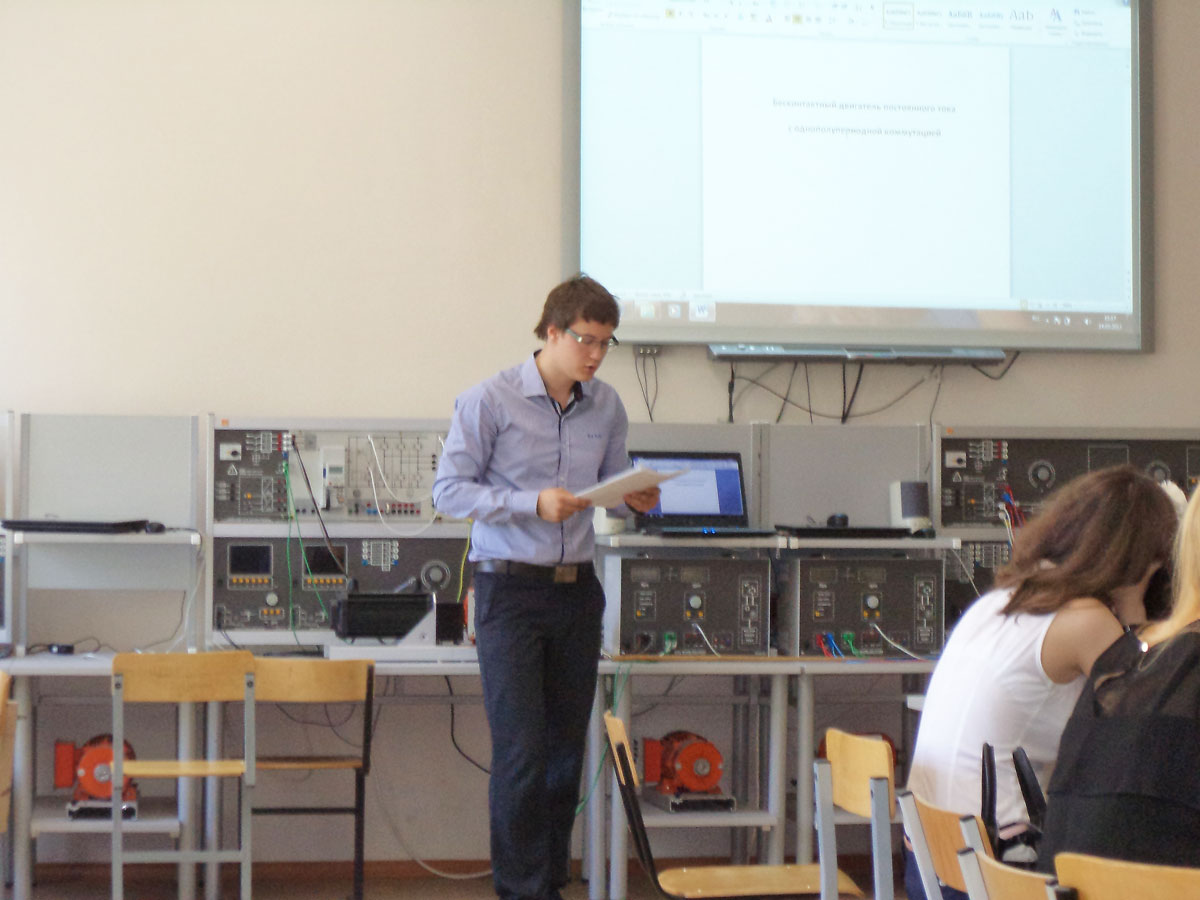
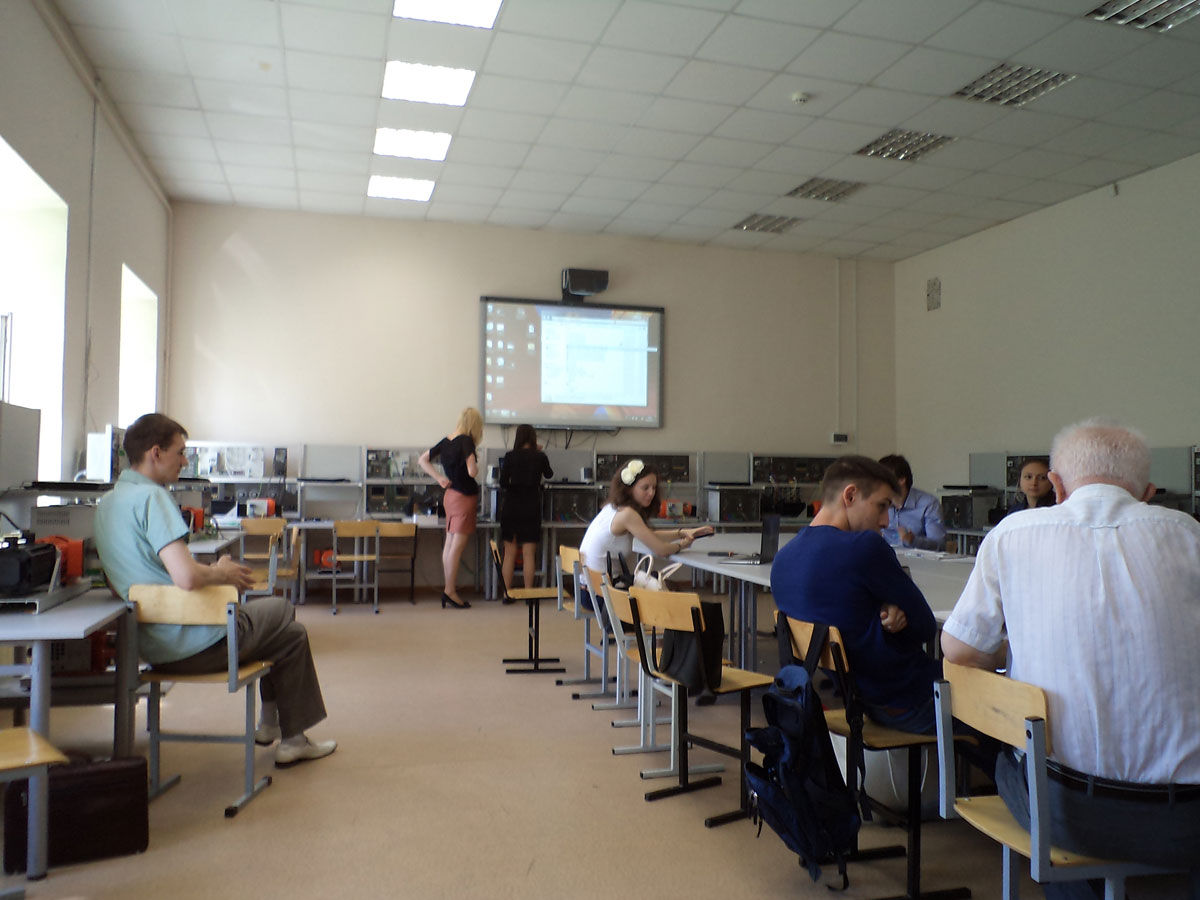
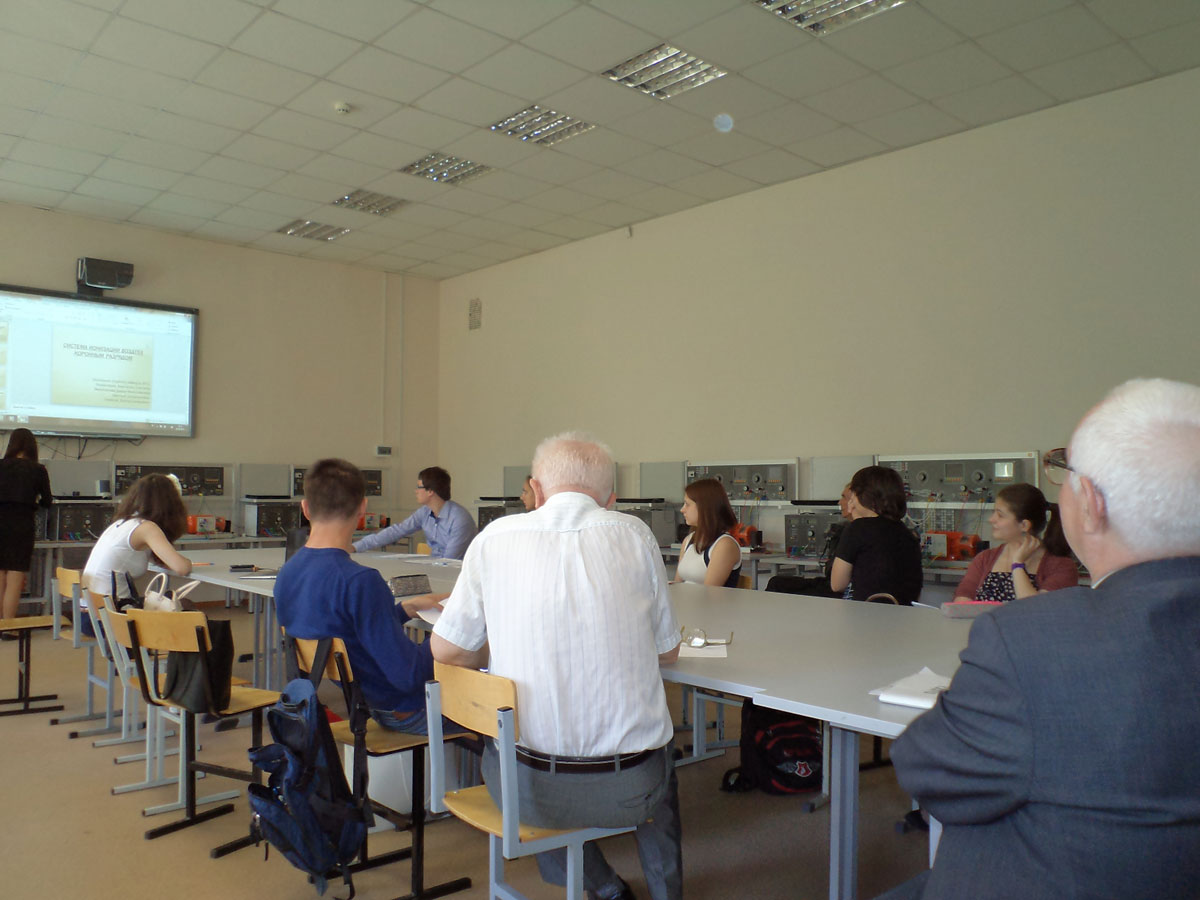
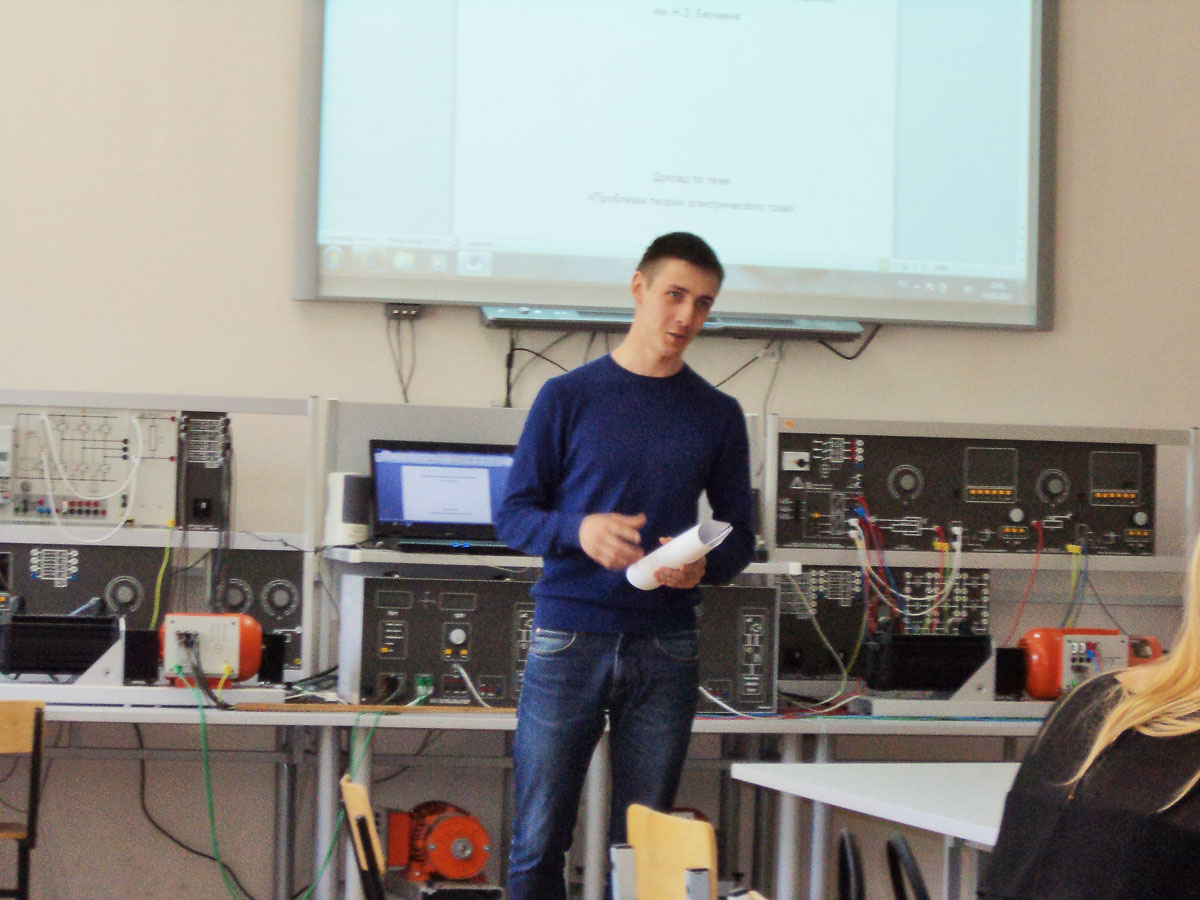
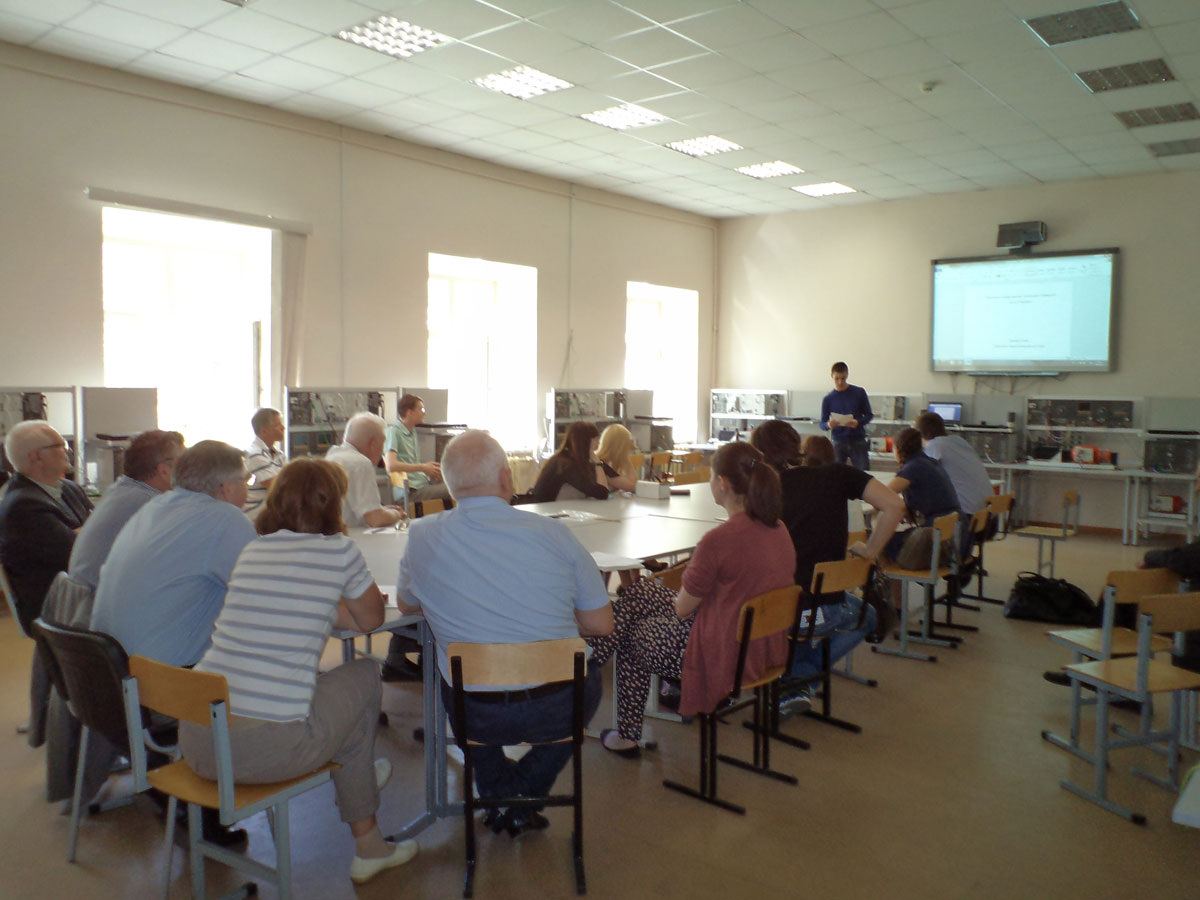
Student Spring 2013
Open material
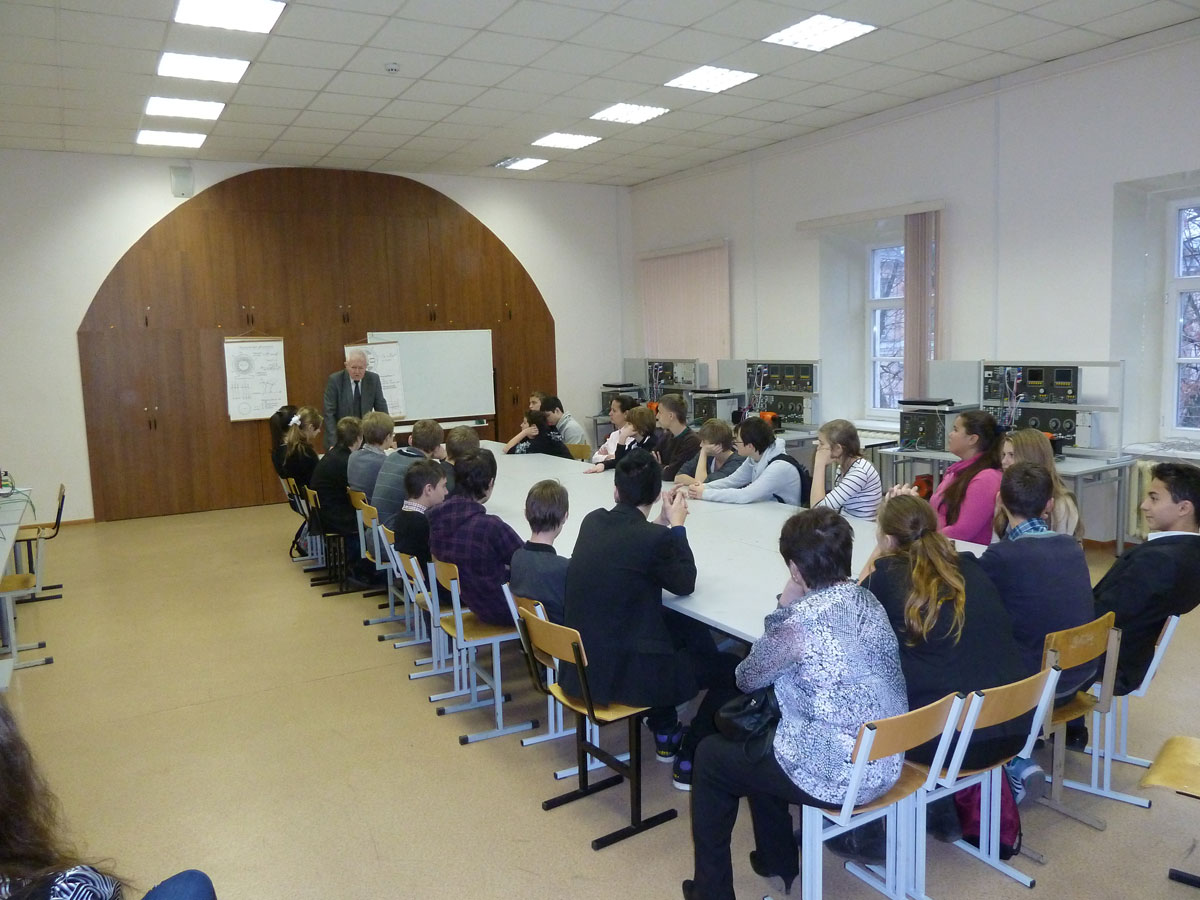
Mentoring
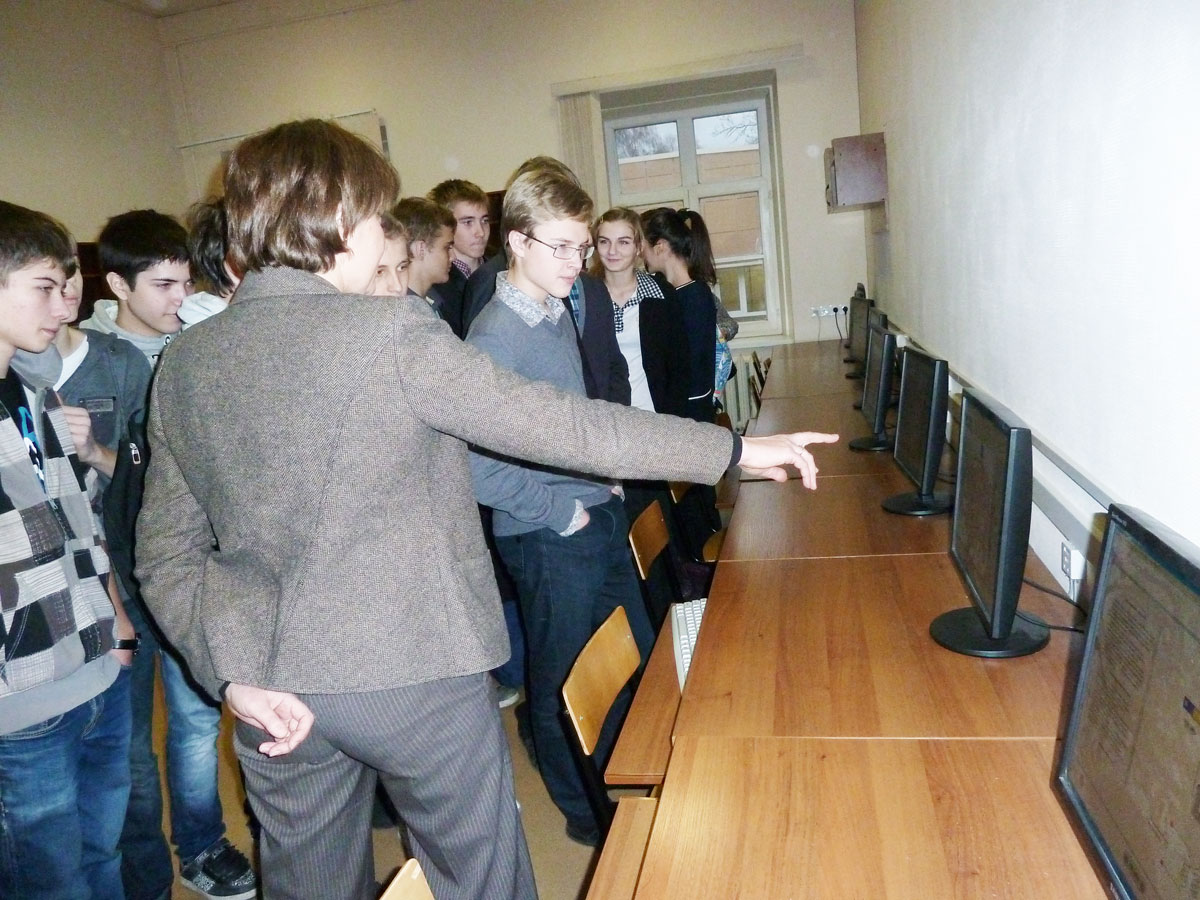
Open material
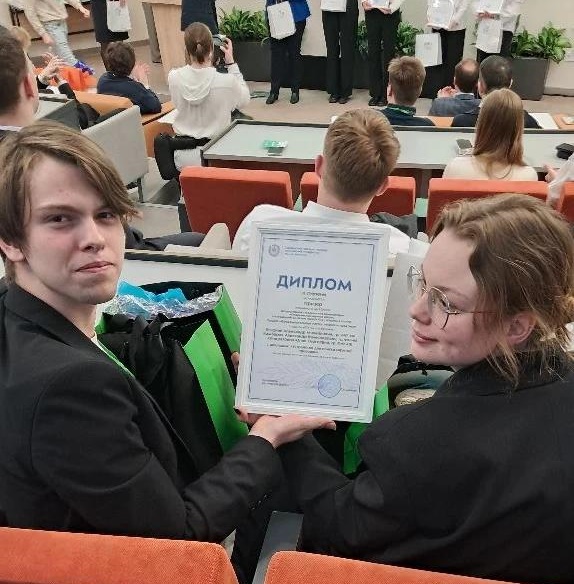
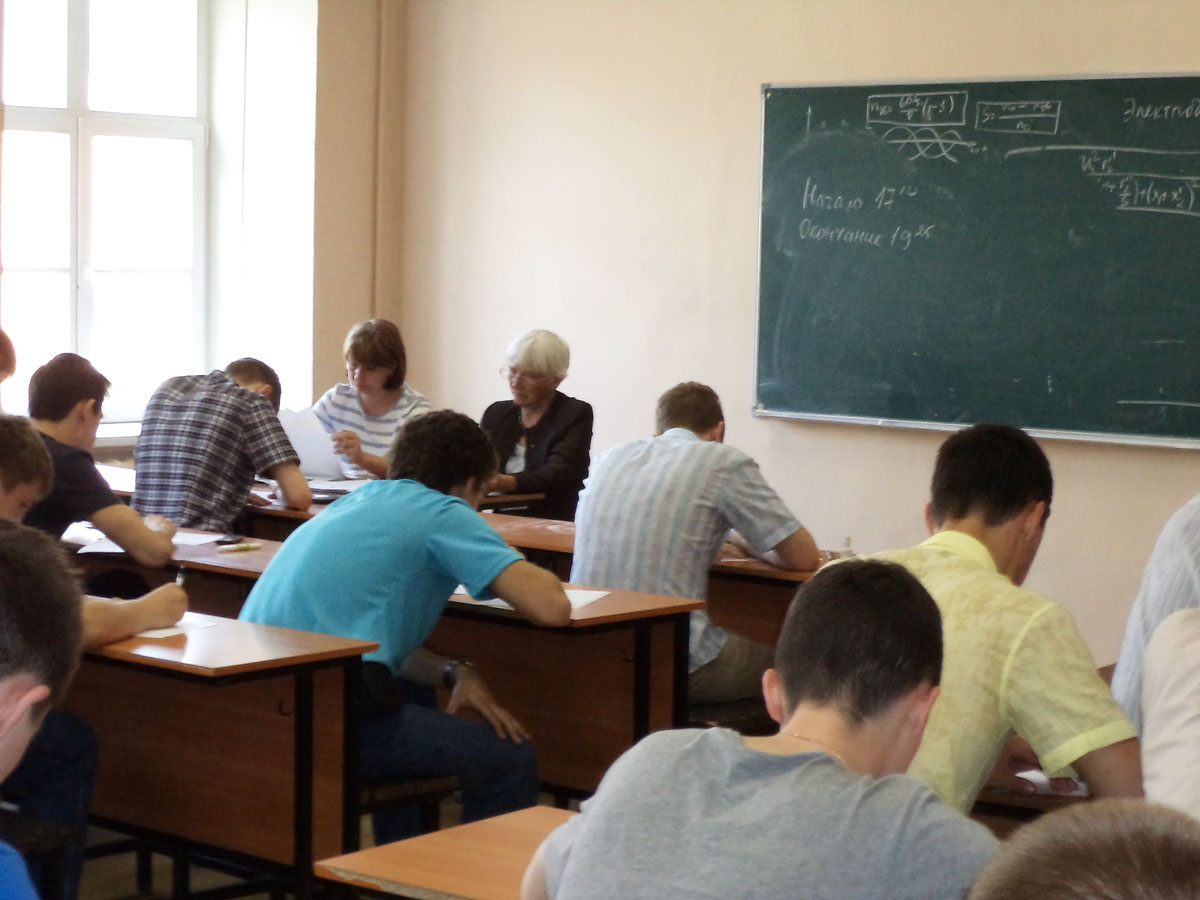
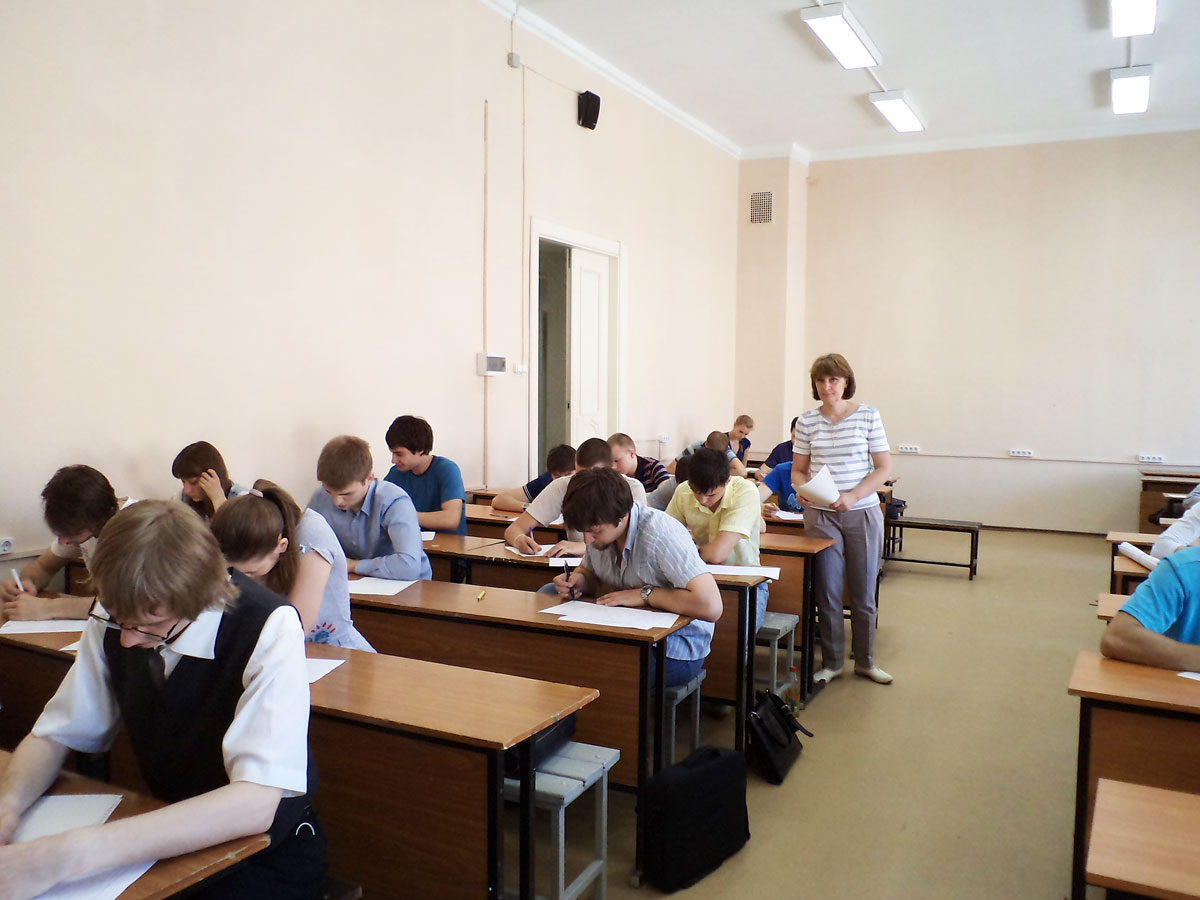
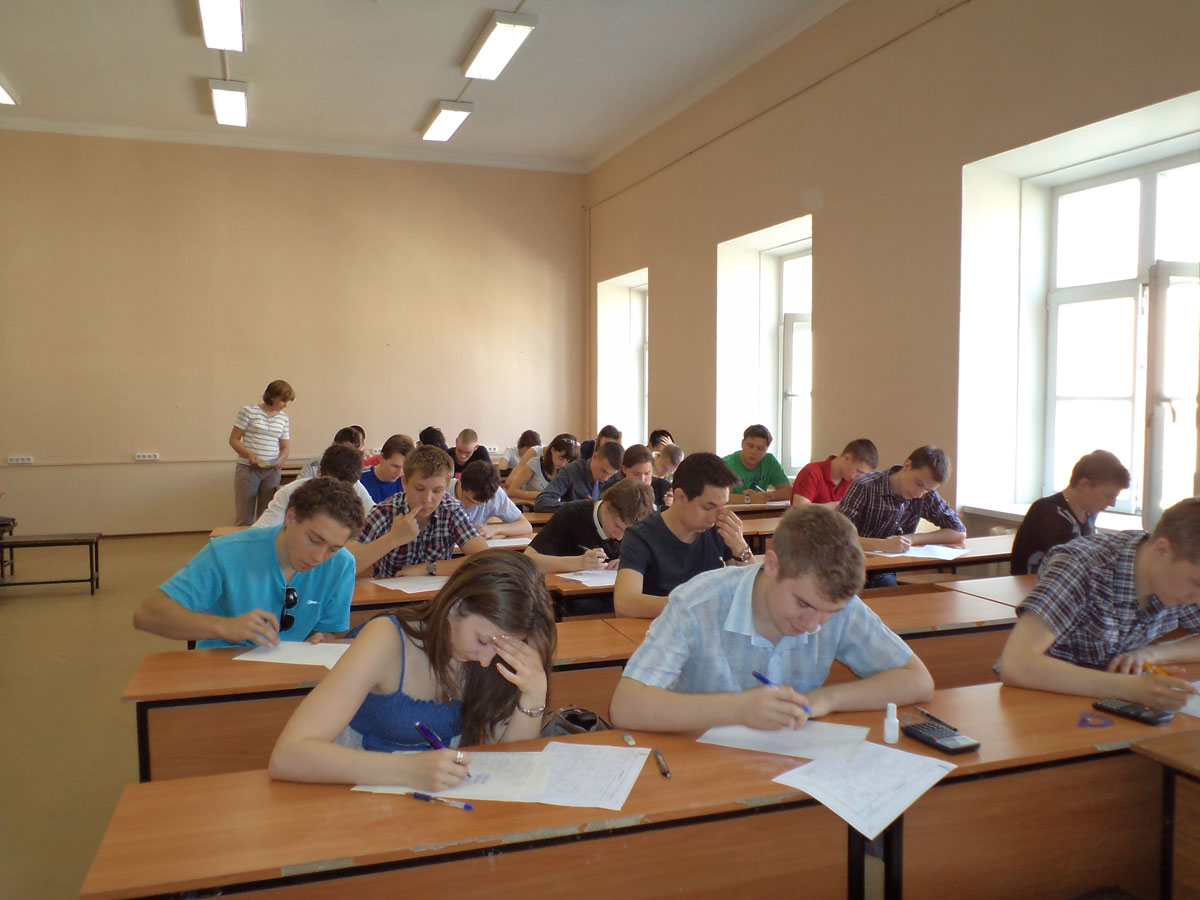
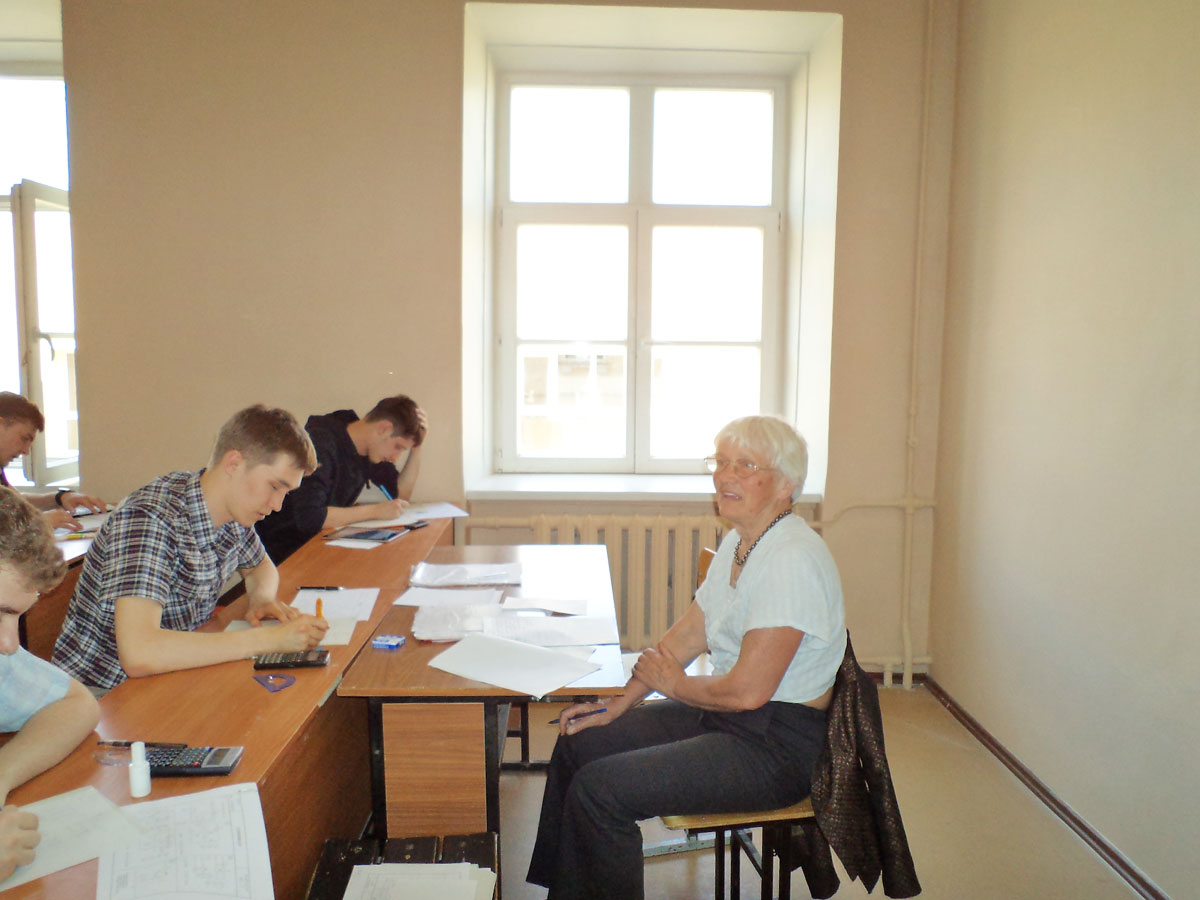
Olympiad 2013
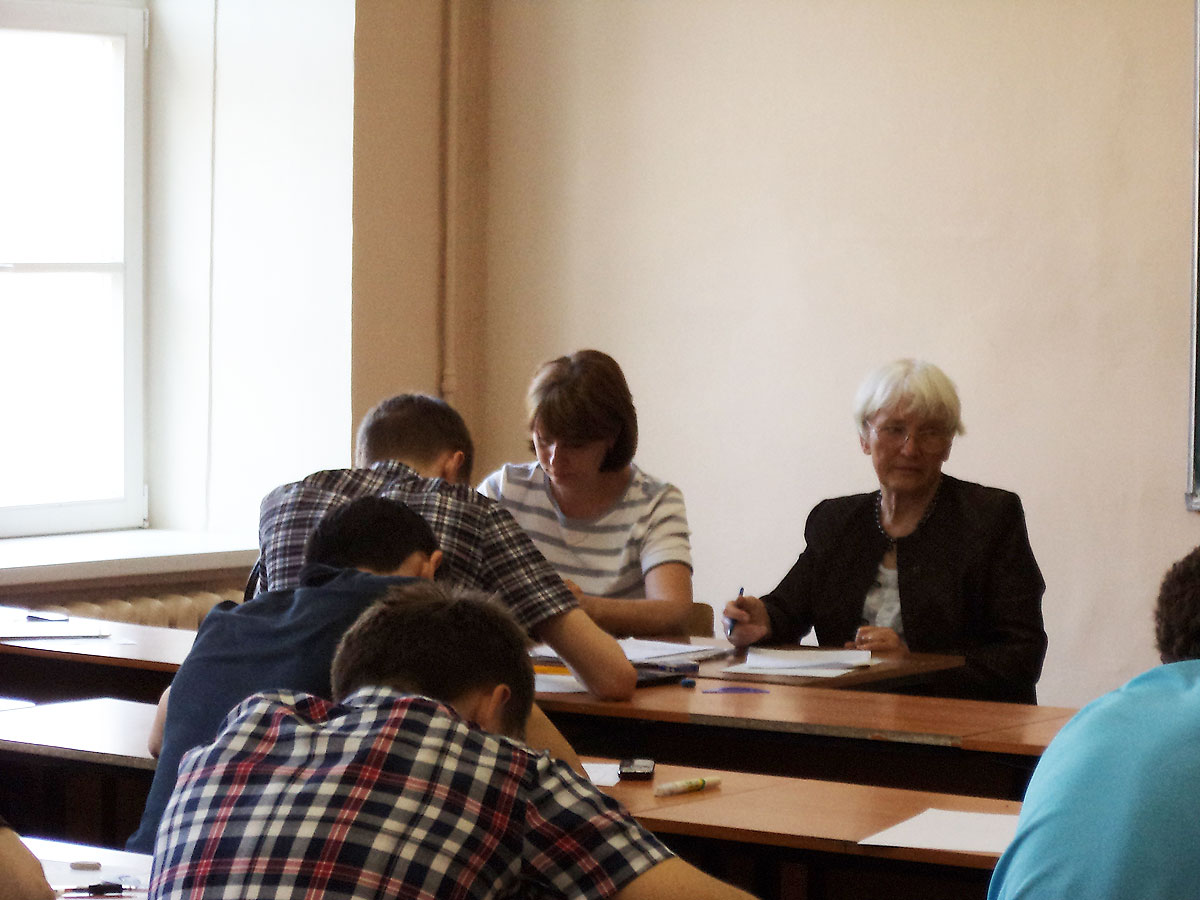
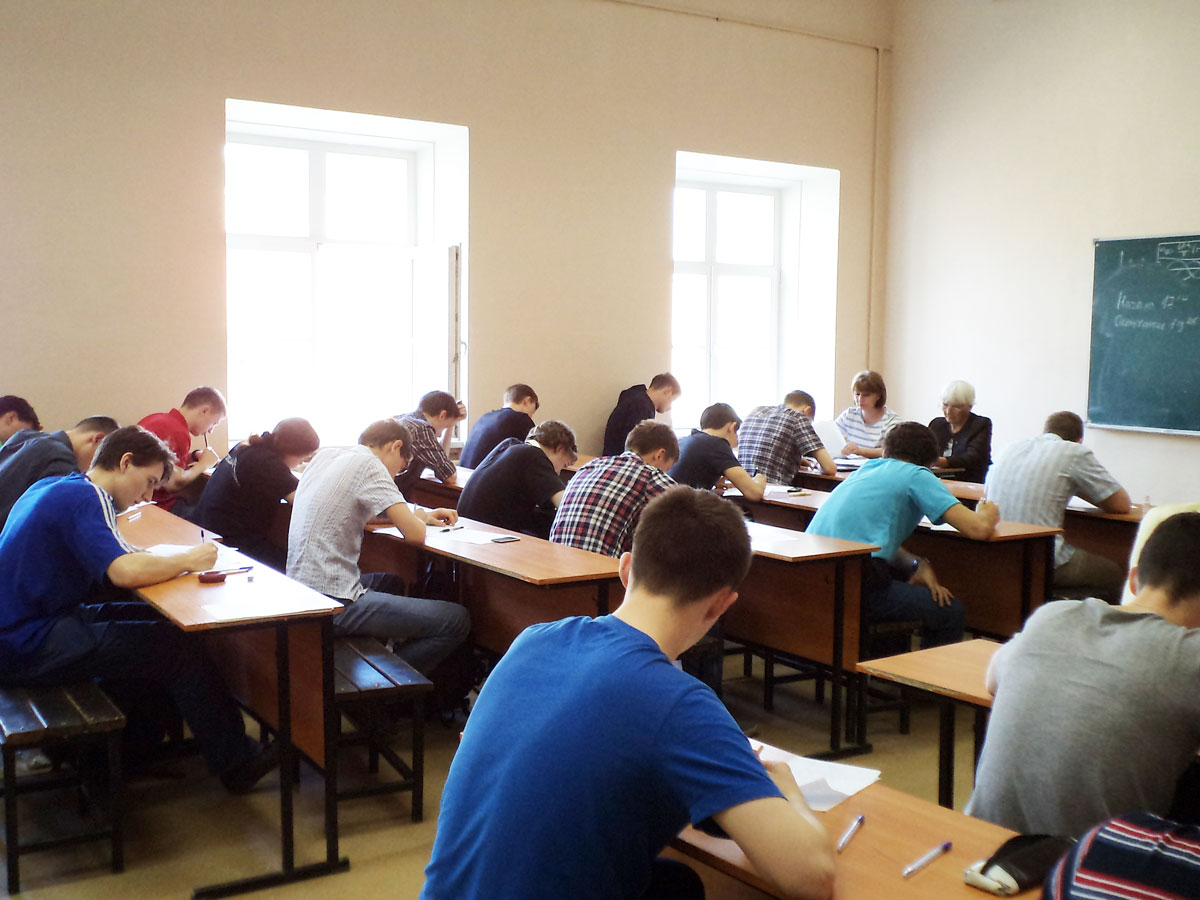
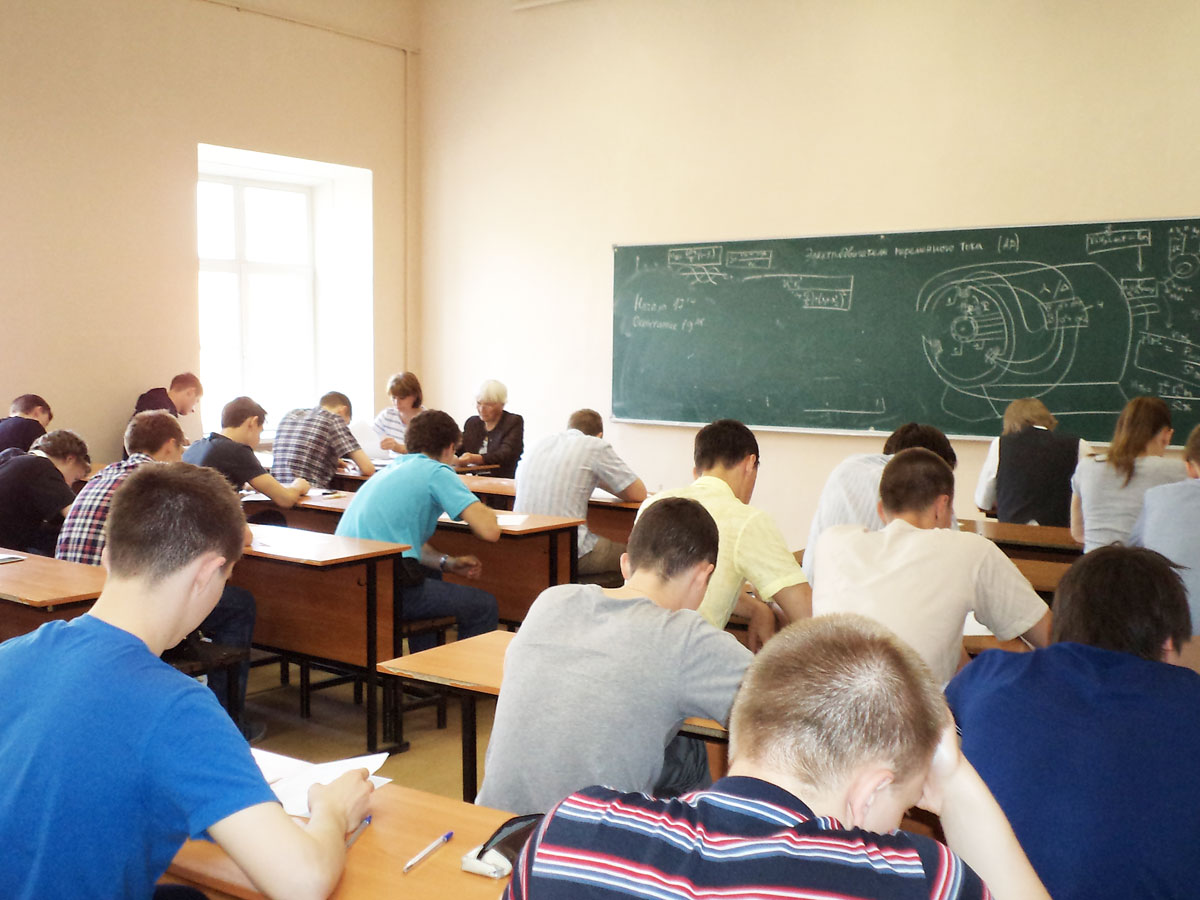




Open material
FrontDesigner 3.0

A program for designing front panels of device enclosures. It is very simple and convenient to use. The archive contains templates of various labels and holes for building large panels without drawing the same detail every time.
FrontDesigner 3.0, 1.9 MB ( archive Download )
sPlan7.0.0.4

sPlan – a simple, convenient tool for drawing electronic and electrical circuit diagrams. sPlan produces high-quality print files with preview, scaling and positioning of the diagram on the sheet. Well-organized, rich libraries contain many easily edited elements. The program exports diagrams to bmp, gif, jpg and emf, numbers components and sets their values automatically, and uses this data to build a parts list that can be converted to Word format.
sPlan7.0.0.4, 4.7 MB ( archive Download )
Sprint-Layout 5.0
Sprint-Layout 5.0 – a simple program for designing double-sided and multilayer printed circuit boards. It includes many features needed for a complete project, including professional ones such as Gerber and HPGL export, while keeping the basis of Sprint-Layout.
Sprint-Layout 5.0, 3.7 MB ( archive Download )
Abacom Lochmaster RU

Abacom Lochmaster RU, 0.5 MB ( archive Download )
On this page you can download materials you need.
Textbooks
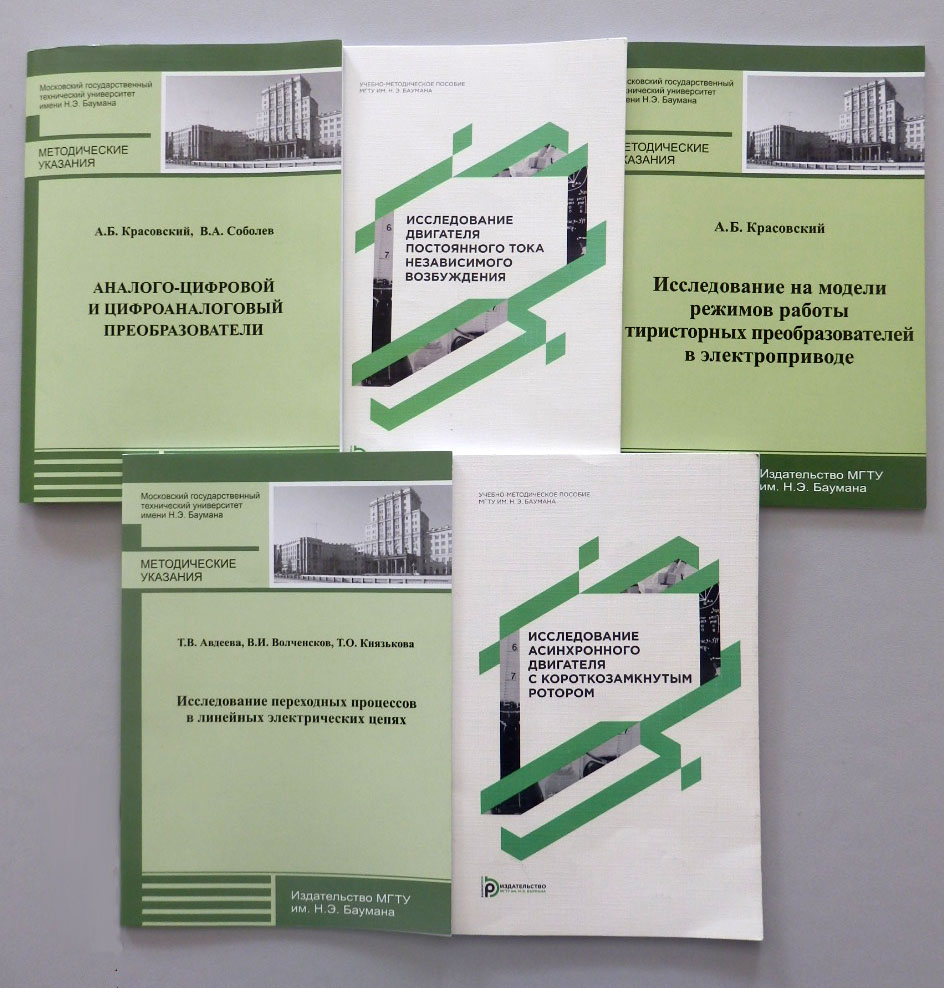
Guidelines for homework
DC circuits, G. F. Drobyshev (1.31 MB)
Sinusoidal current circuits, G. F. Drobyshev, V. S. Semenov (307.79 kB)
Coursework materials
Laboratory work guidelines
Lab 1 – Linear DC circuits (196.29 kB)
Lab 2 – Linear sinusoidal current circuits (216.2 kB)
Lab 3 – Three-phase circuits (237.39 kB)
Lab 4 – Squirrel-cage induction motor (38.66 kB)
Lab 5 – Shunt-wound DC motor (104.12 kB)
Lab 6 – Single-phase and three-phase rectifiers (99.83 kB)
Lab 7 – Thyristors in industrial electronics (89.82 kB)
Lab 8 – Electronic amplifiers (135.11 kB)
Laboratory logbooks
Seminar guidelines
Topic 1 – Linear DC circuits (68.77 kB)
Topic 2 – Single-phase sinusoidal current circuits (118.69 kB)
Topic 3 – Three-phase circuits (176.01 kB)
Topic 4 – Transients in circuits with one energy storage element (103.48 kB)
Topic 5 – DC motors (40.67 kB)
Topic 6 – Three-phase induction motors (20.56 kB)
Topic 7 – Transformers (444.72 kB)
Curricula
Today’s level of intelligent technologies, the provision of computers and software for teaching, and students’ fairly high computer literacy create a real basis for computer-aided learning systems (CALS), which in turn are the conceptual and physical prerequisite for open education.

|

|
|
Let us consider the main elements of automated control in the CALS developed at the Department of Electrical Engineering and Industrial Electronics of Bauman University. The system is the basis for distance learning of electrical engineering disciplines and has been partly introduced (one version is on the FN faculty website). For this system we consider automating interactive learning and various information and educational technologies in an Internet format.
|
|

|
The governing document of electrical engineering education is the syllabus “General electrical engineering and electronics”, developed by the Scientific and Methodological Council for Electrical Engineering of the Russian Ministry of Education and approved by the Department of Educational Programmes and Standards of Professional Education on 27 February 2001. It recommends wide use of computer tools, systems and programs in all parts of electrical engineering. The learning process in general – through its information content and its combination of different forms of learning, distance learning in particular – determines the flexibility of the algorithm of this complex process and makes it convenient and effective.
Work in the CALS is based on Internet technologies. The CALS is a website that can be stored autonomously on a CD or hard disk, or placed on a server and used by network users. The first option is somewhat preferable: the user does not need to be online, and large images and applications load from the CD or hard disk incomparably faster than over the network, especially on a modem connection. The structure of an autonomous site hardly differs from ordinary websites. The CALS is viewed in any web browser (Internet Explorer, Firefox, Opera, etc.).
Work in the CALS begins with the so-called site map. Its appearance, design, content and the order of the functional block menus are set by the site developer and express the distinctive features of the CALS.
The structure of this system was presented in the talk “A system for distance learning of electric circuits” at the 5th international scientific and methodological conference NITE-2000.
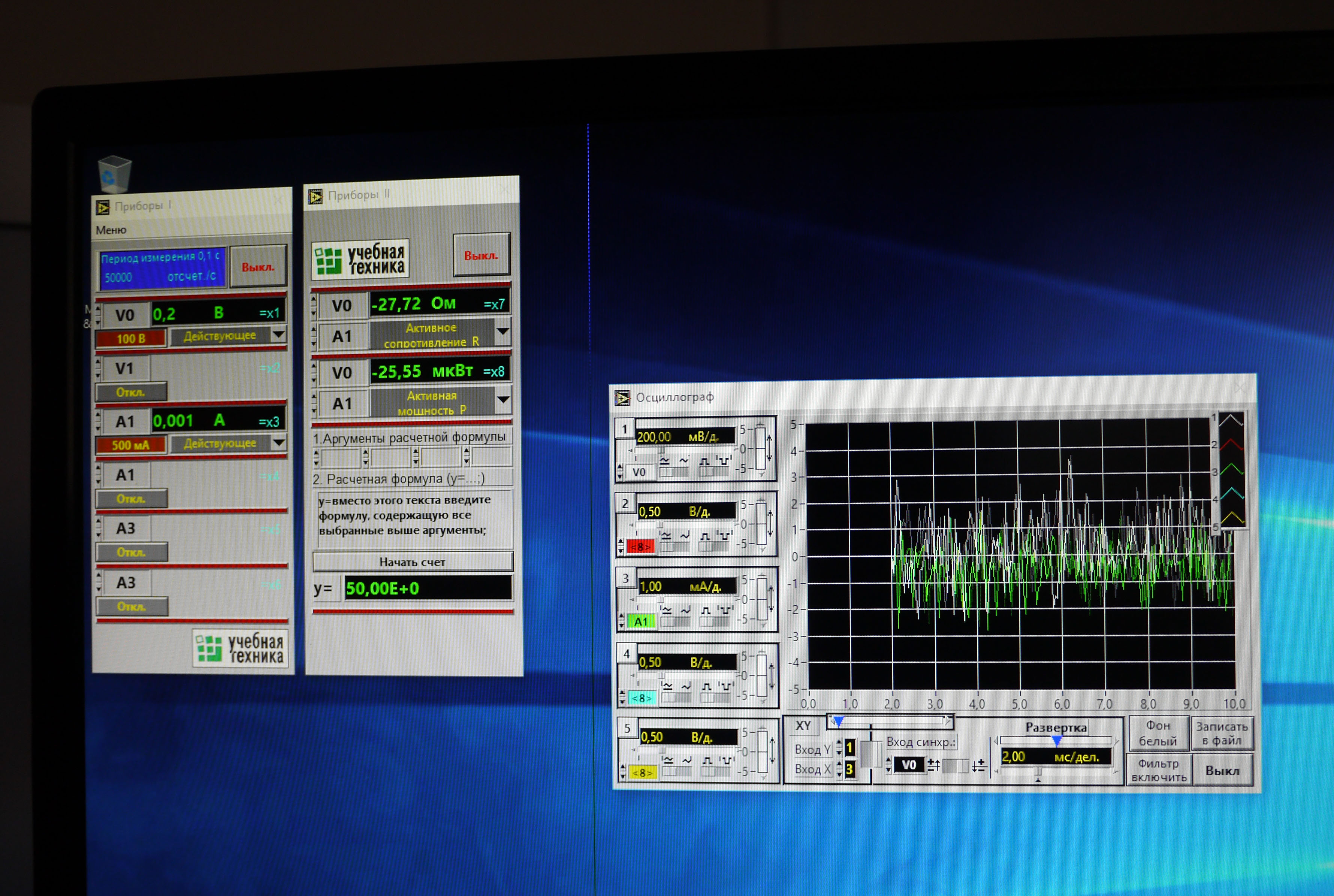
The system provides interactive theoretical and practical learning and assessment. Computer modelling is widely used, with software such as Matlab, Mathcad, Electronics Workbench, PSpice and LabView. The functional elements of the system are built in Flash.
The basis of the system for studying electric and magnetic circuits is an electronic lecture course of 7 chapters:
- DC electric circuits;
- sinusoidal current electric circuits;
- three-phase circuits;
- magnetic circuits;
- transients in linear electric circuits;
- non-sinusoidal current circuits;
- measuring instruments.
The chapters’ text, formulas and graphics are made in Word for Windows with a frame structure, giving a good presentation of the material. Illustrations (circuits, figures, diagrams, graphs, etc.) open in a pop-up window from a link in the text in the main window. The text scrolls as you read while the image stays in place, which greatly improves learning. The user can resize the extra window, changing the scale of the figure and making it easier to read.
The extra window also contains internal and external links for jumping instantly to another position in the chapter or to another part of the system (another chapter or mode). This expresses the principle of automation, making it easier and faster to find the right place in the system’s information space in all its modes (theory, practice, assessment).
The practical mode includes solving problems, doing homework, doing laboratory work, and modelling electric circuits and electrical installations.
MathCad is used for analytical problem solving and homework. The powerful Electronics Workbench package is used for physical modelling of electric circuits and devices; Matlab can be used if needed.
Laboratory work can be done in two ways:
- with a laboratory test bench, using the computer system to process the results in MathCAD;
- in virtual laboratory mode, everything is done in Workbench.
Modelling electric circuits and installations is essentially a virtual laboratory, and Workbench was created for exactly this. The system implements an assessment block of milestone colloquia on five topics and generates and issues various homework assignments differentiated by faculty curricula.
All colloquia are built in Delphi; they are to be turned into more complex personal assignments in future. Considerable useful work on automated issuing of homework has been done using a single MySQL database structure.
Automated homework issuing works as follows: the student finds the “Electrical engineering” page on the FN faculty website and enters the CALS, whose assessment and information block contains the homework program:
- HW 1 – electric circuits,
- HW 2 – electrical machines,
- HW 3 – electronics.
To get an assignment, the student enters their full name, full group code, homework number and their number in the group register. The personal assignment appears on screen and is then printed on standard A4 sheets: a title page and a working sheet for each problem with its statement, circuit diagram and the necessary diagrams and graphs. The free part of the sheet and its back are for the solution. The result is a uniform homework report that is very convenient for both student and lecturer.
In conclusion, we note the great amount of work done by the department’s lecturers in preparing this section of the FN website. A major professional contribution was made by:
- Professor Yu. N. Zorin,
- Professor G. F. Drobyshev,
- Associate Professor O. I. Miseyuk,
- Associate Professor S. N. Gribova,
- Associate Professor I. A. Lomov,
- Associate Professor Yu. I. Danilenko,
- senior lecturers L. A. Speranskaya and V. V. Makhankov.
Three generations of third- and fourth-year students of groups E4 and E5 helped the department greatly in preparing the online version of the CALS. They made the first version of the site, on which the version you see now is based. Special thanks for the new version go to the E7 department, in particular to students Andrey Gevak, Mikhail Khalizov and Maxim Kashubin.
References:
- Yu. M. Borisov, D. N. Lipatov, Yu. N. Zorin. Electrical engineering. A university textbook. Moscow: Energoatomizdat, 1985.
- Yu. N. Zorin, Yu. I. Danilenko. Using computers in studying electrical engineering. Collection of methodological papers, issue 14. Moscow: MPI Publishing, 1991.
- Yu. N. Zorin, Yu. I. Danilenko. The structure of a system for studying “Electrical engineering and electronics” using information technologies. Abstracts of the All-Russian scientific and practical conference. Moscow: Bauman University, 2000.
- Yu. N. Zorin, Yu. I. Danilenko. A system for distance learning of electric circuits. Proceedings of the 5th international scientific and practical conference NITE-2000. Astrakhan, 2000.
- Yu. N. Zorin, Yu. I. Danilenko. Using intelligent technologies in open education. Proceedings of the 6th international scientific and methodological conference NITE-2003. Astrakhan, 2003.
Hello, dear visitor of our website!
Electrical engineering is the technical science of the practical use of electricity.
Electrical engineering separated from physics as an independent science at the end of the 19th century, after the commercialization of the telegraph and of electric power transmission.
Several important fields are now based on electrical engineering: electric power engineering, electronics, control systems, signal processing and telecommunications. Without the basic knowledge gained in electrical engineering and electronics, it will be hard for you to work in these fields.
 |
 |
 |
You can learn about the history of the Department of Electrical Engineering at Bauman University in the section Department history.
Students can also download homework assignments, prepare for laboratory work, read teaching materials and questions for tests and exams, and look at solutions of typical problems.
  |
|
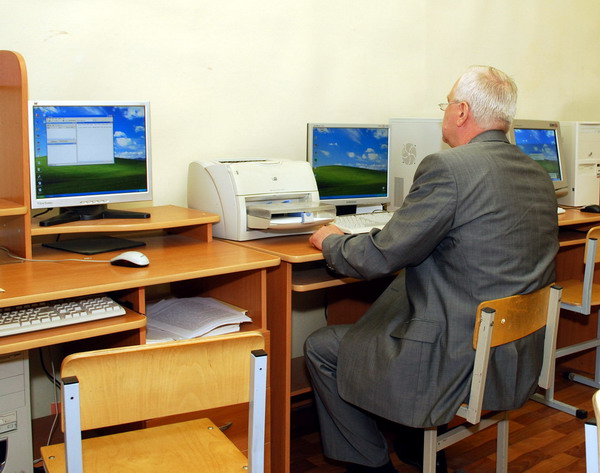
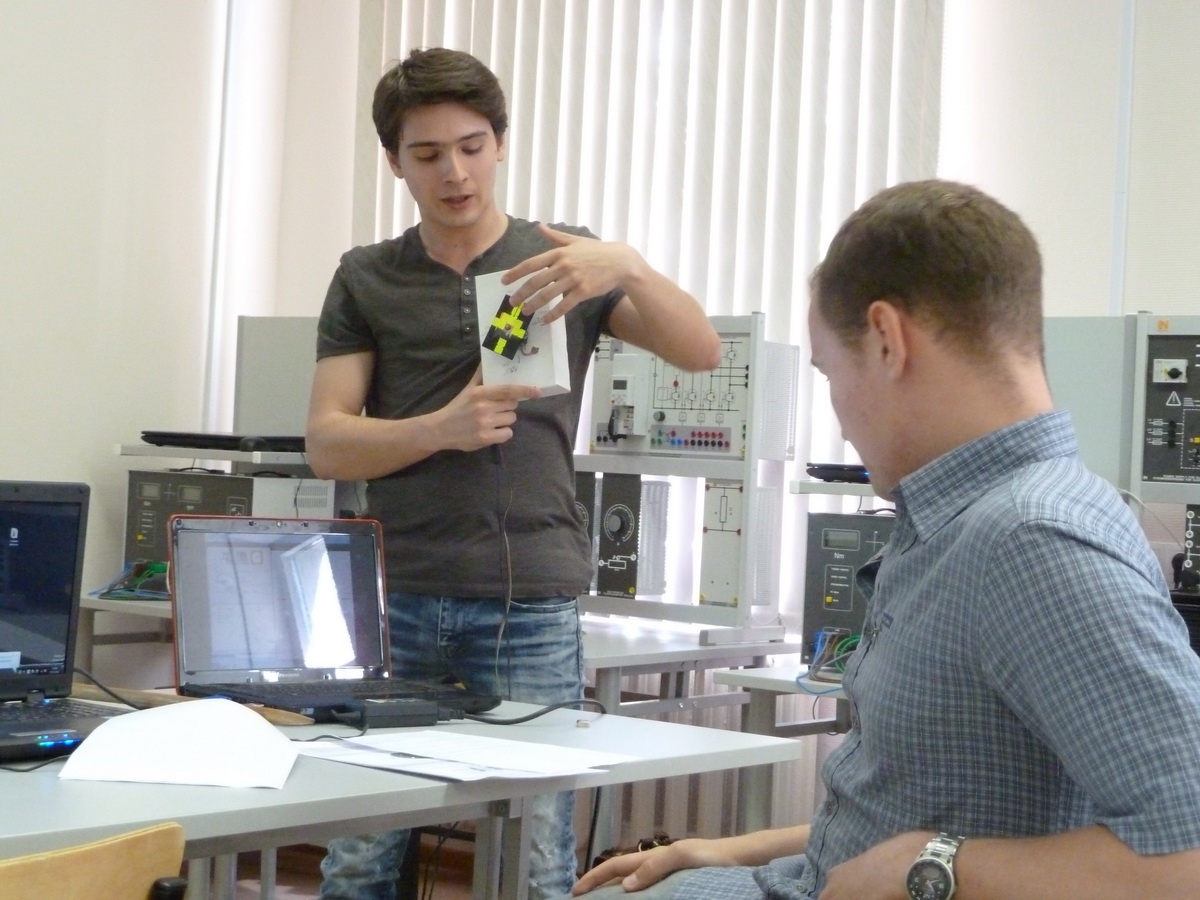
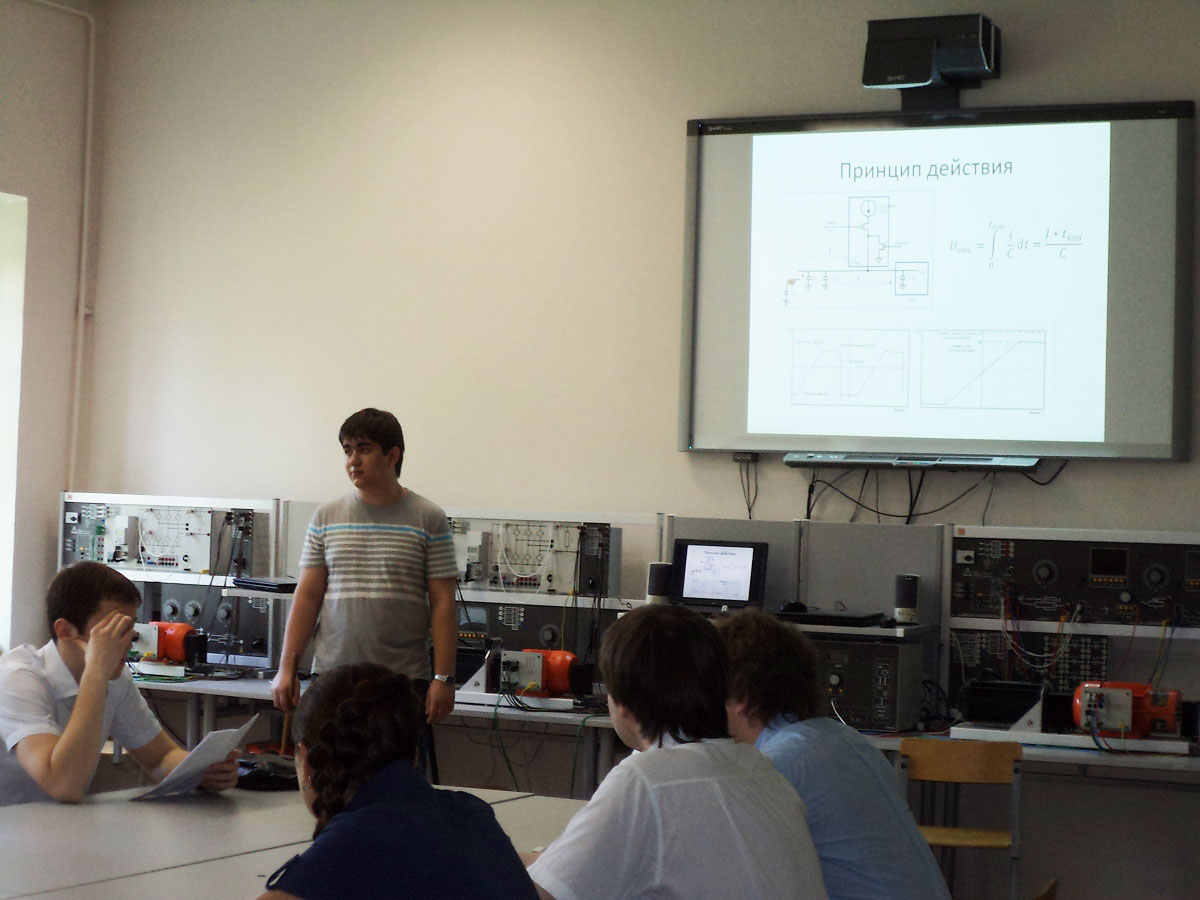
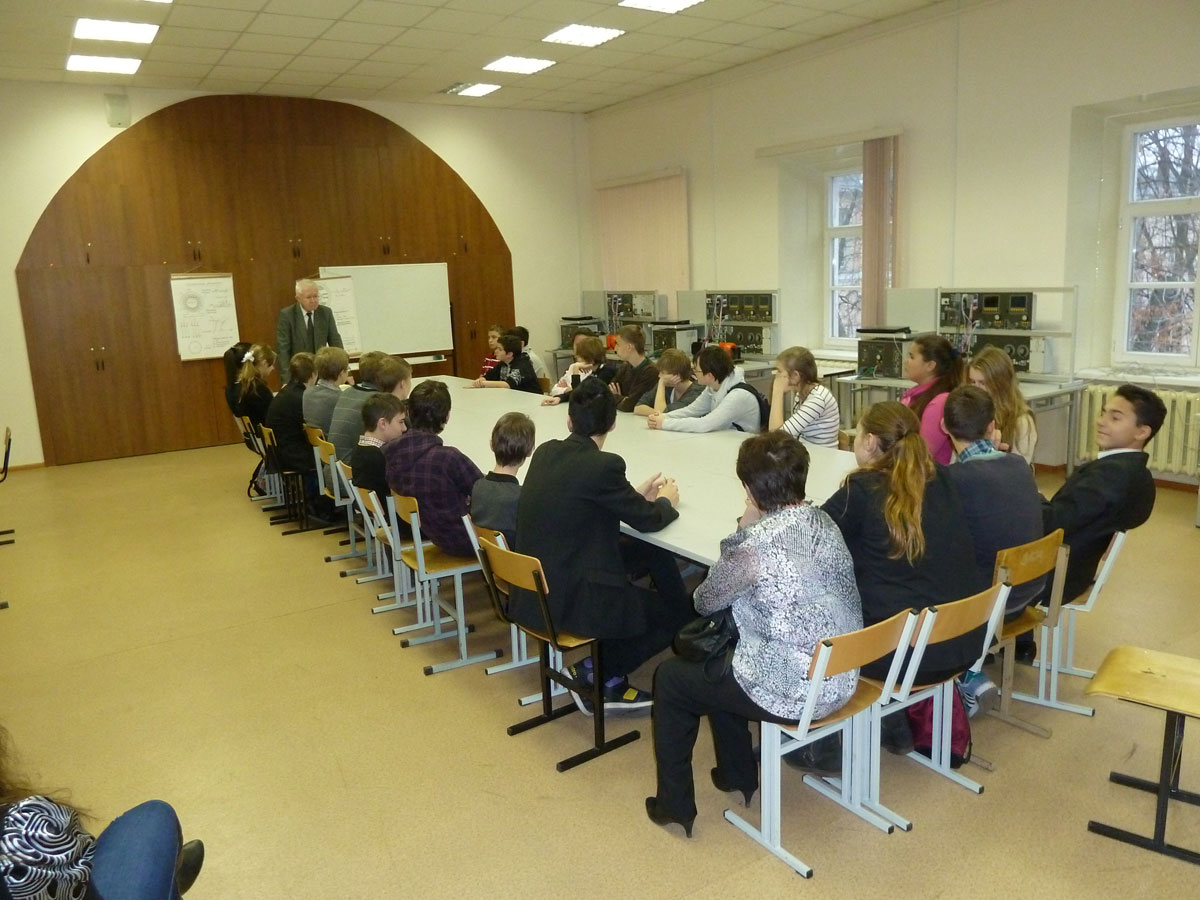
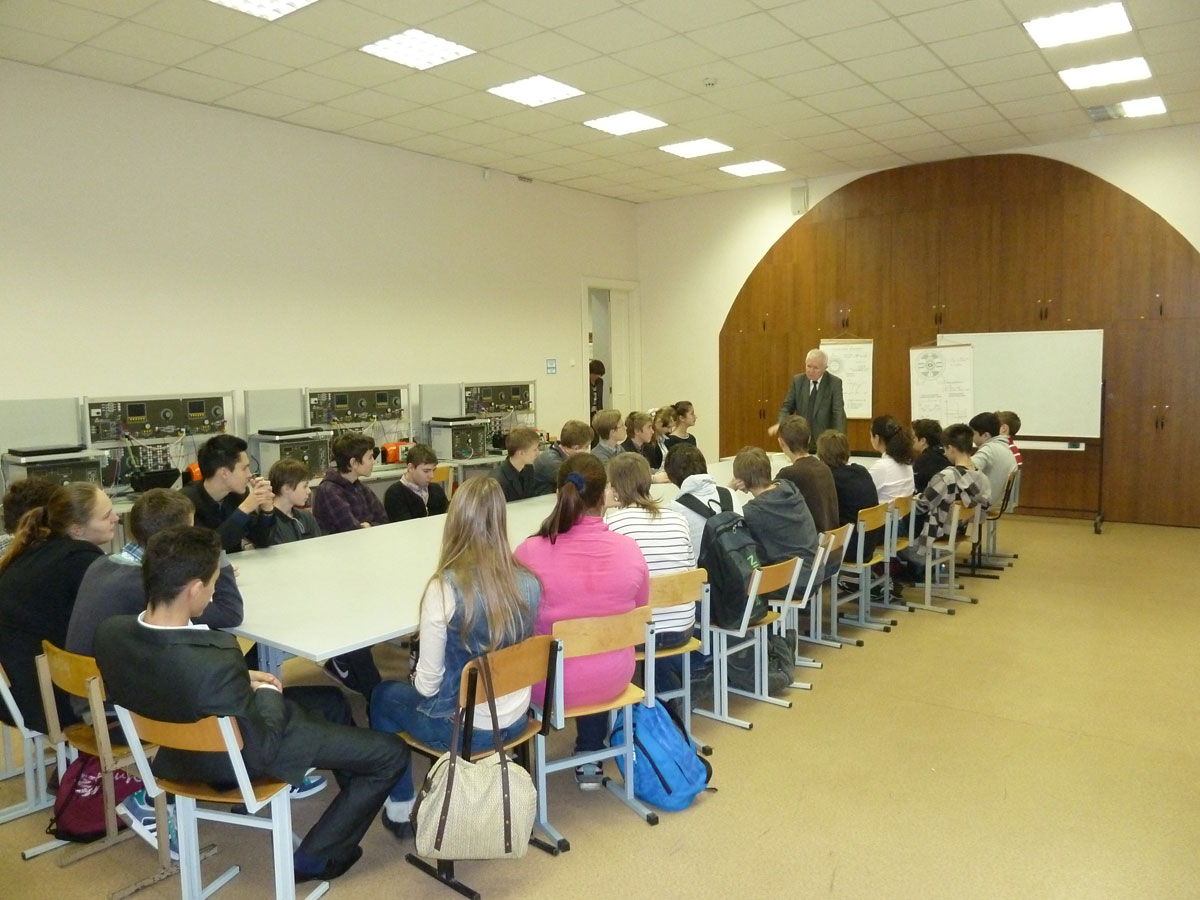
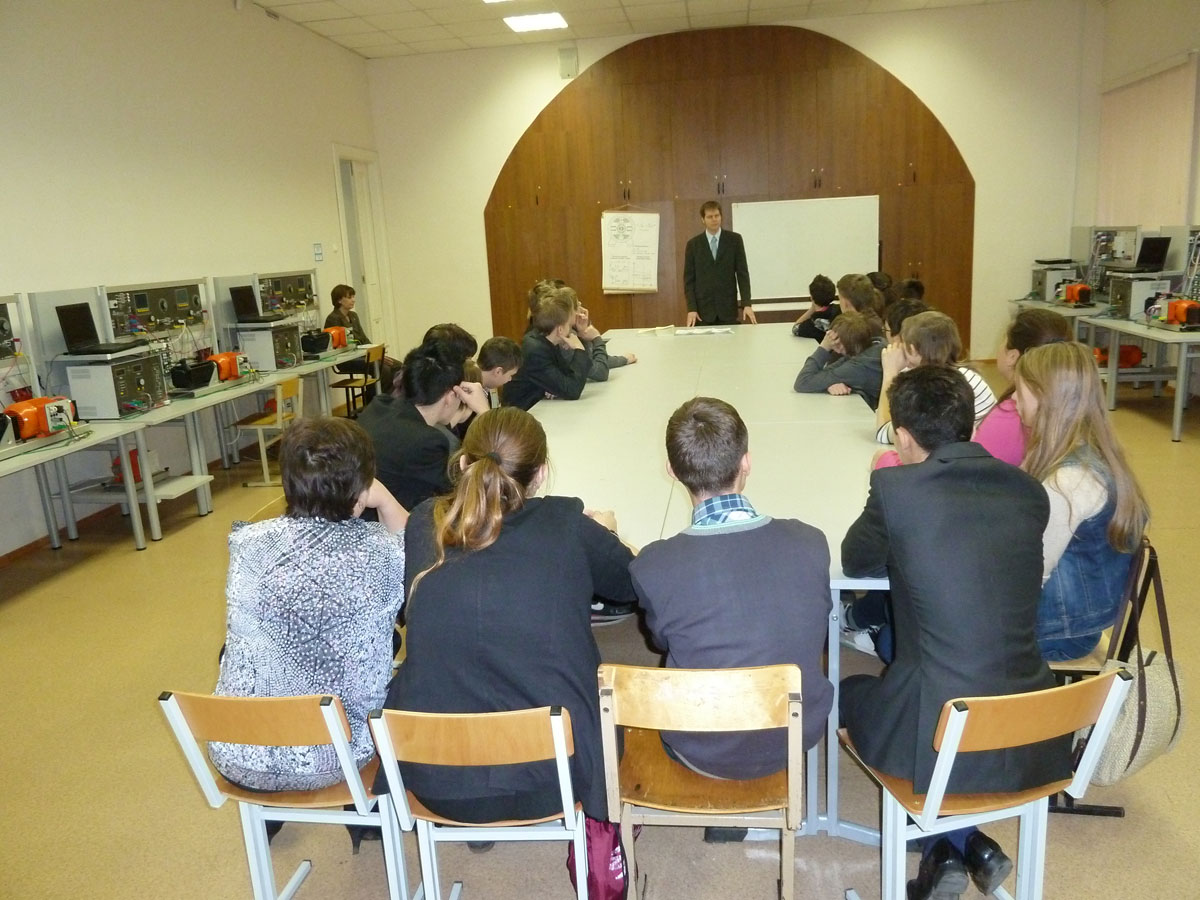
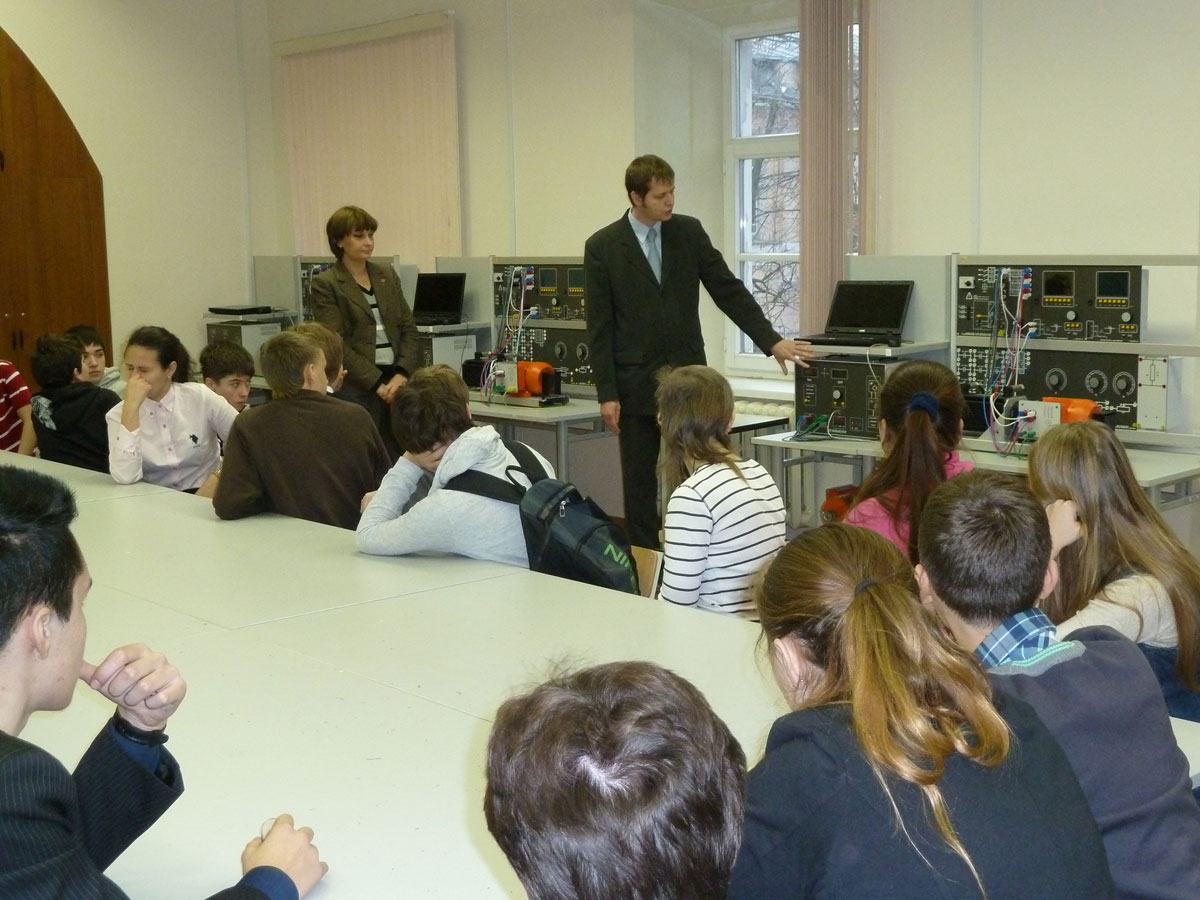
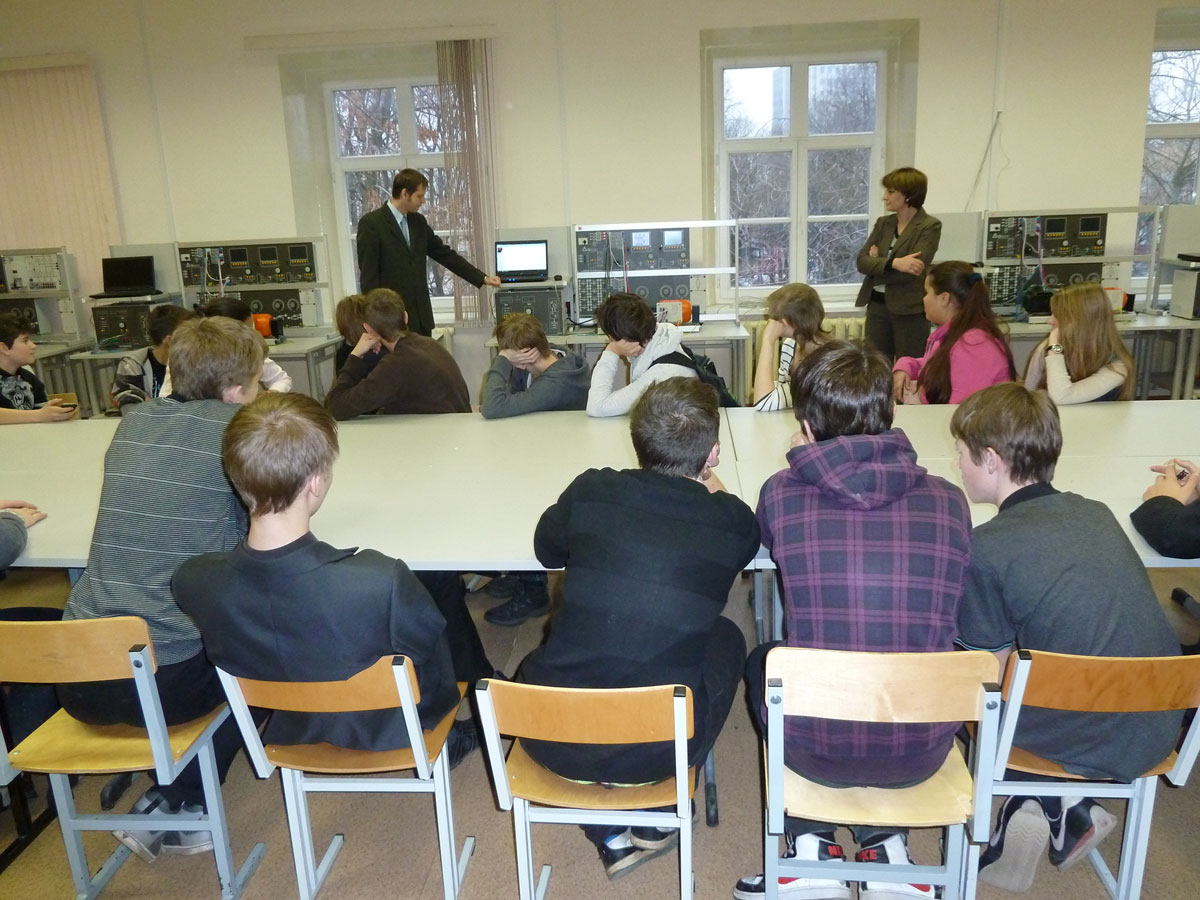
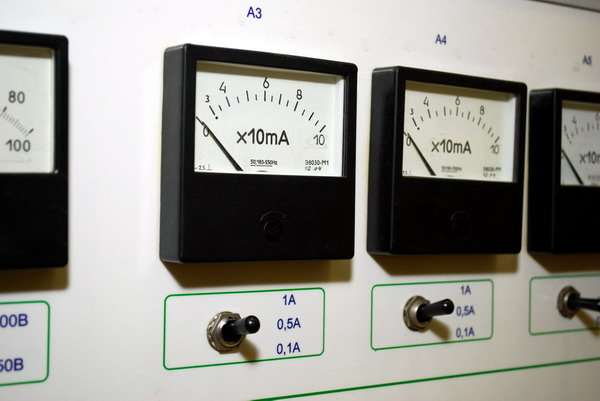
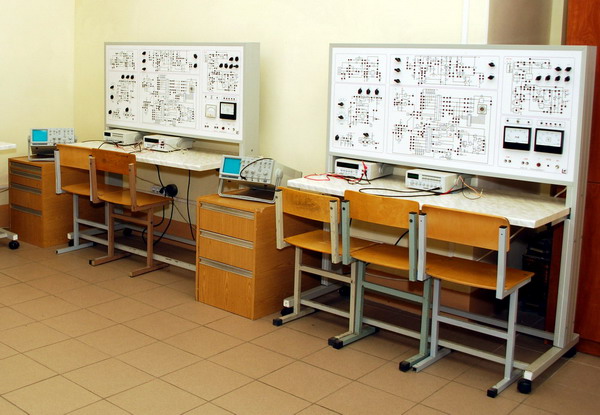
Our department has well-equipped laboratories for studying all parts of electrical engineering and electronics at a modern level. Laboratory work is divided by topic and takes place in the electric circuits halls, the electrical machines hall, the electric drive hall and the electronics hall.
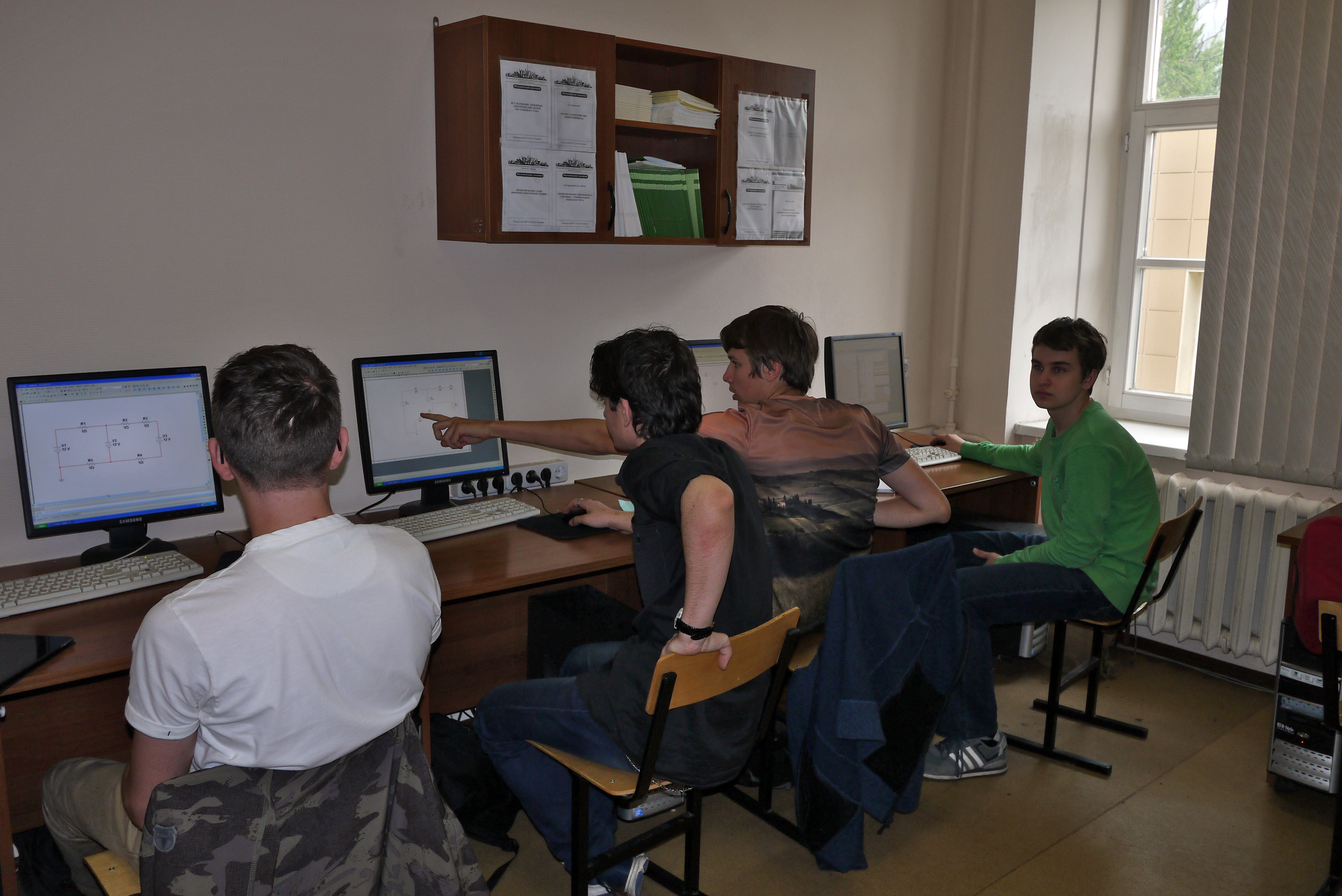
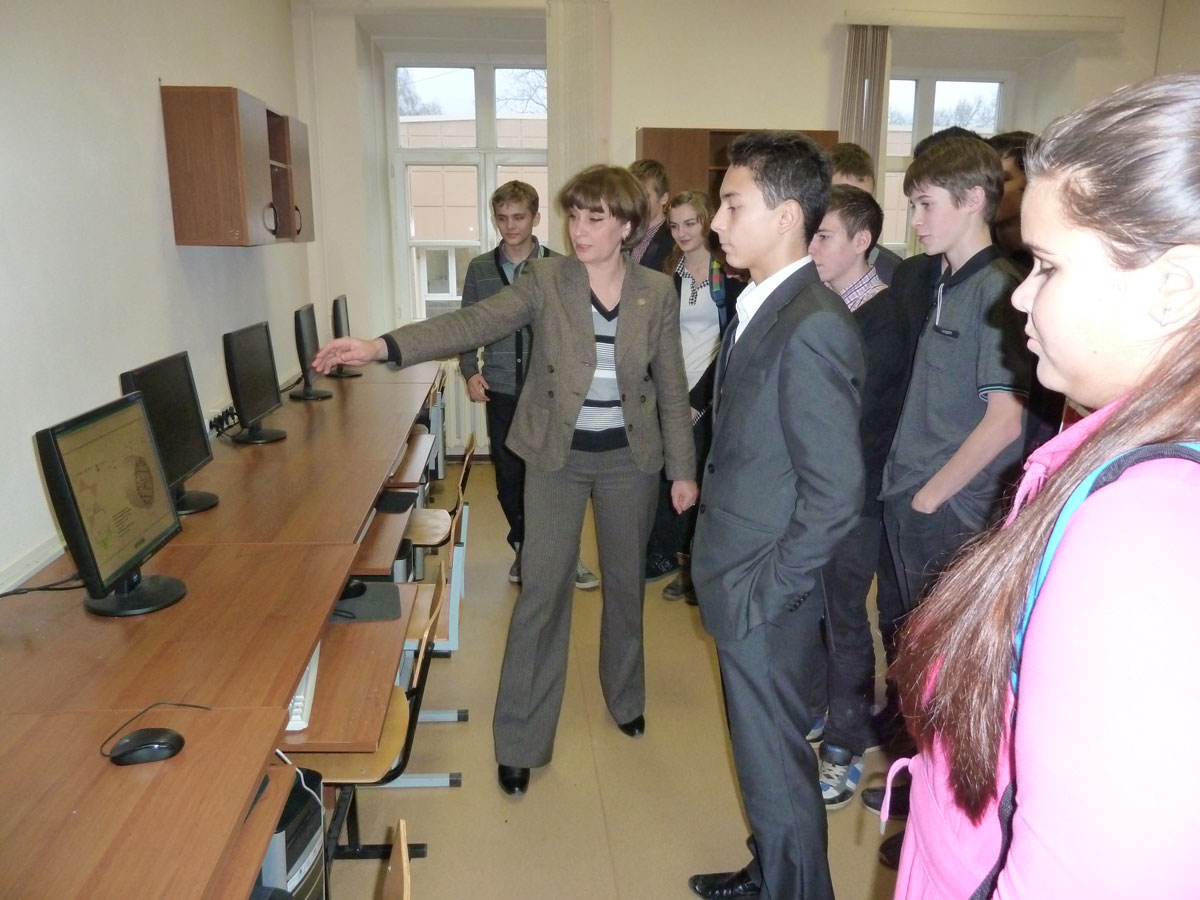
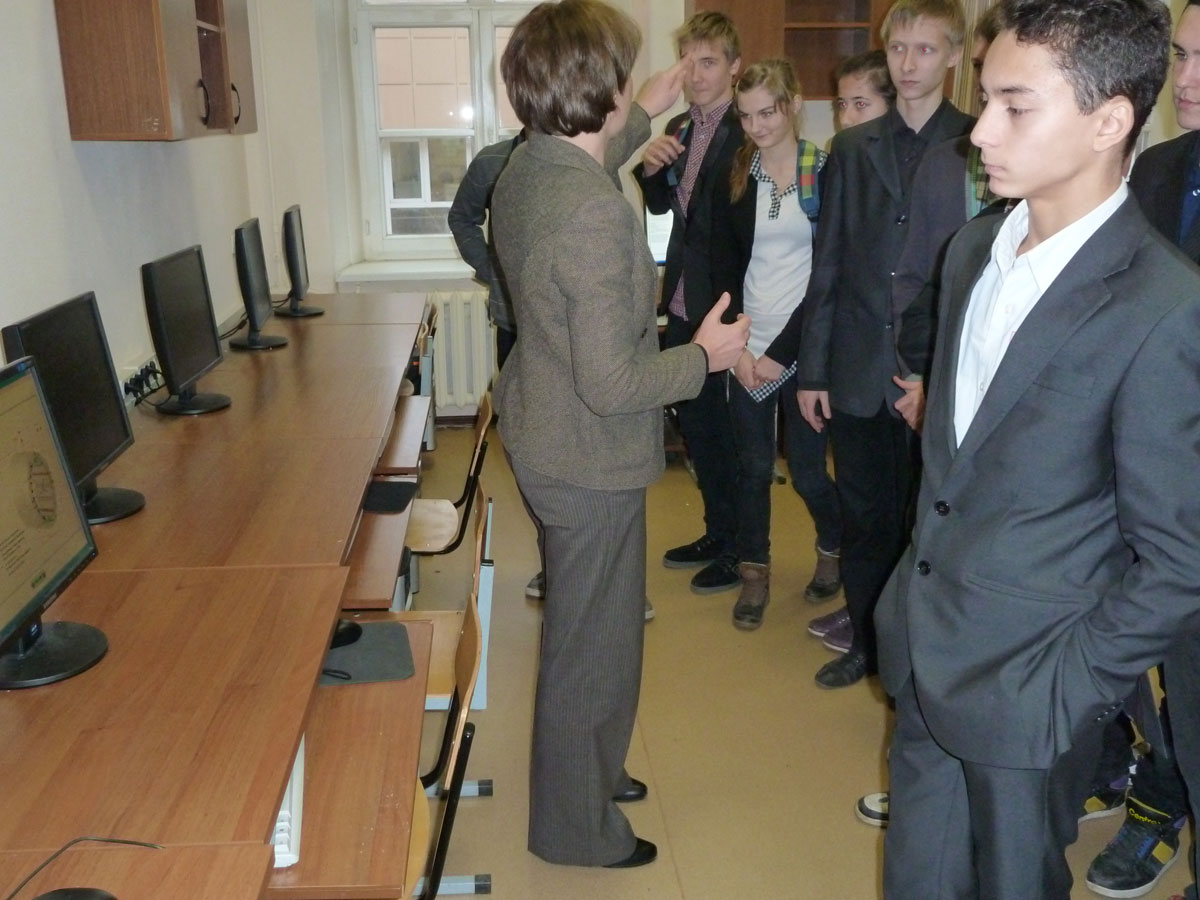
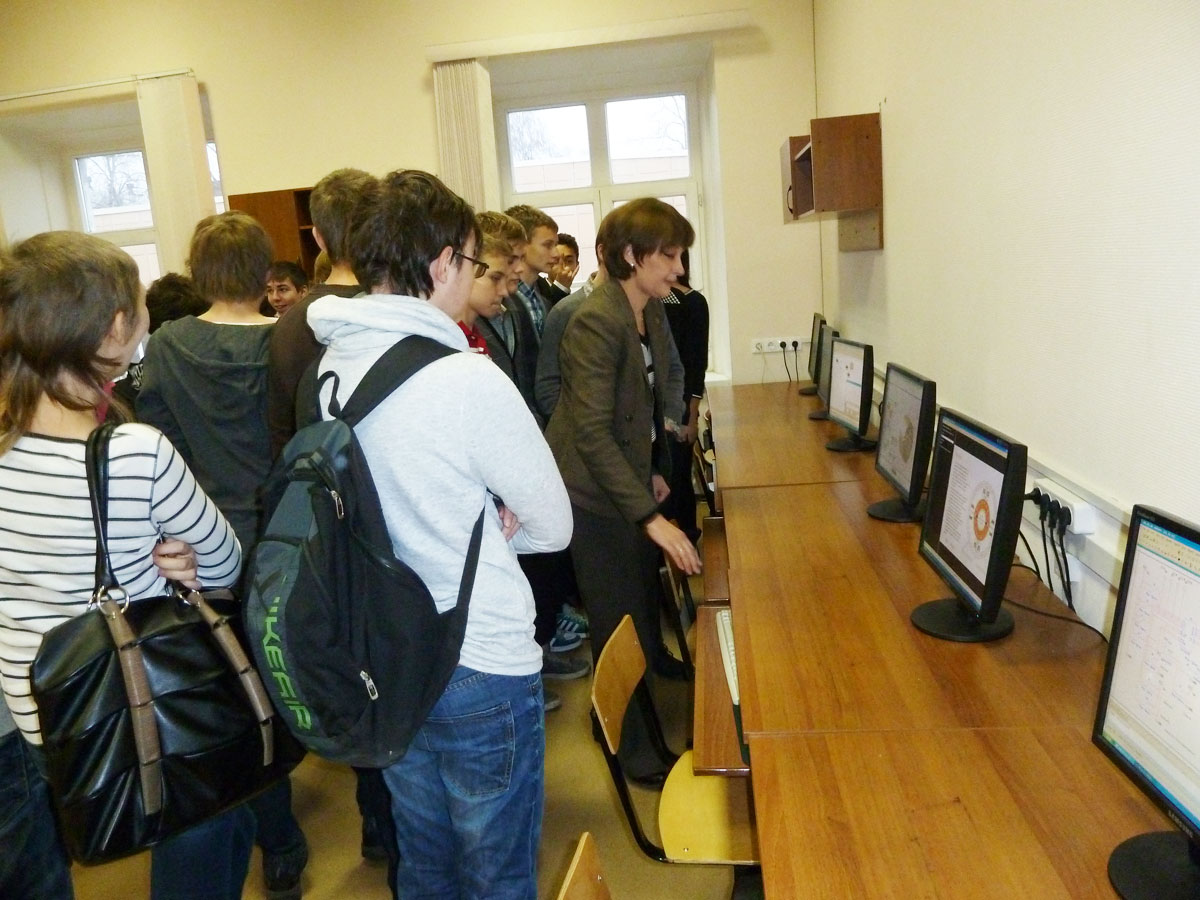
The department works actively with university and school students.
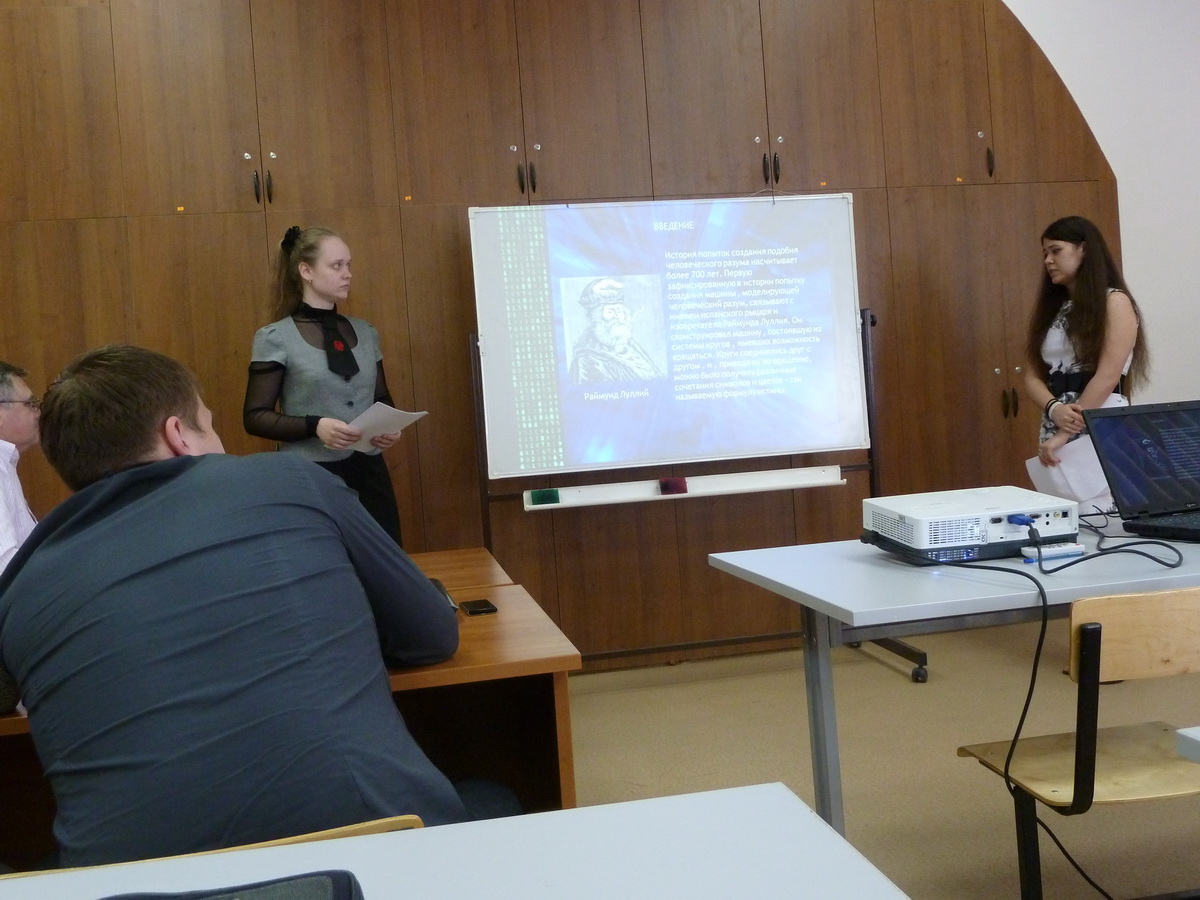
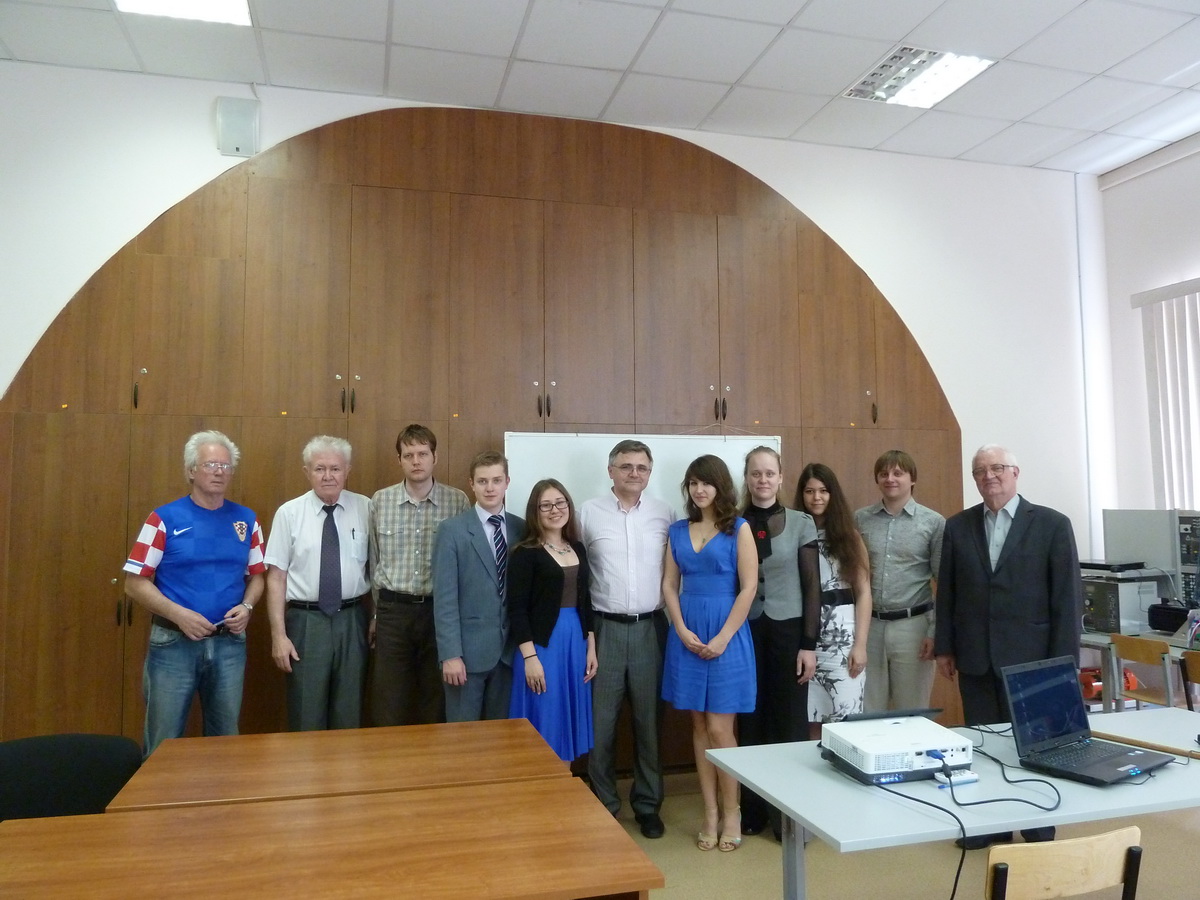
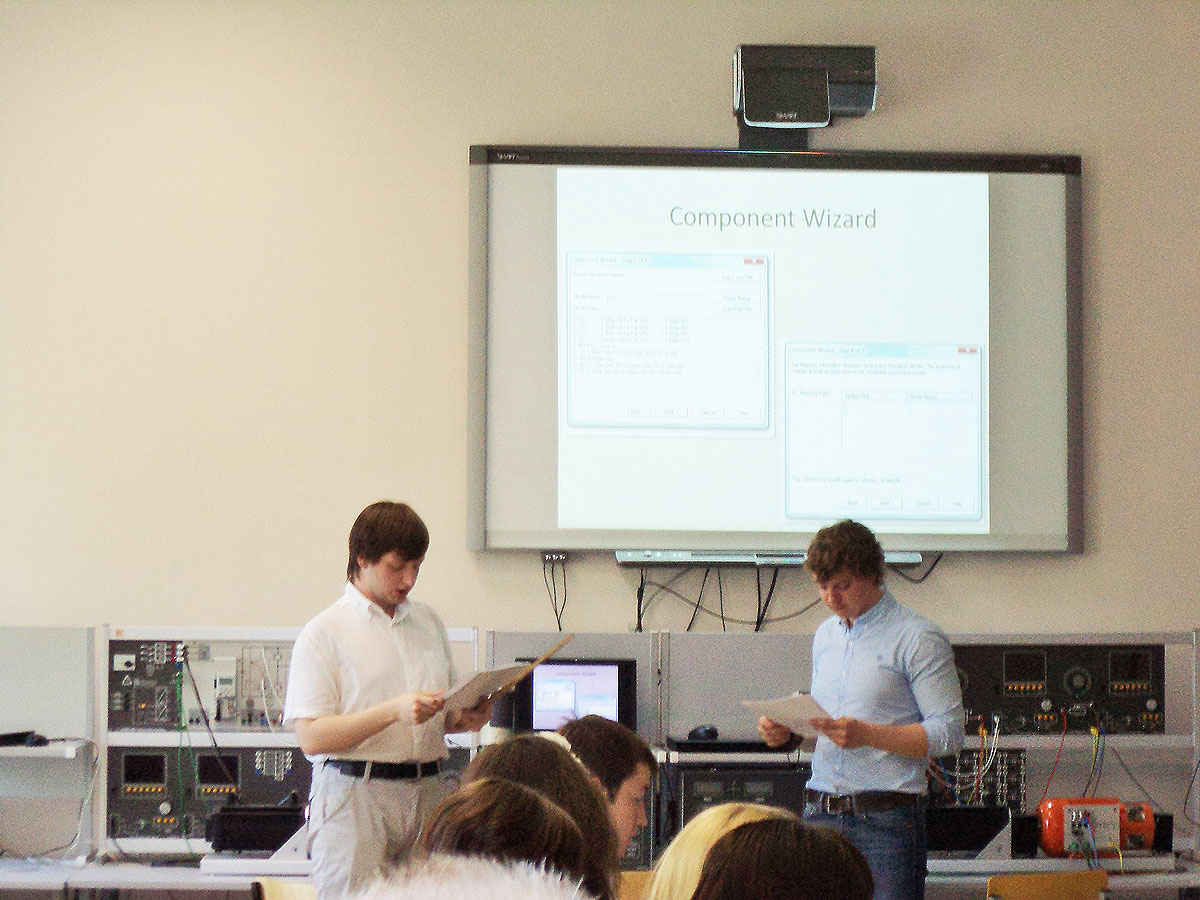
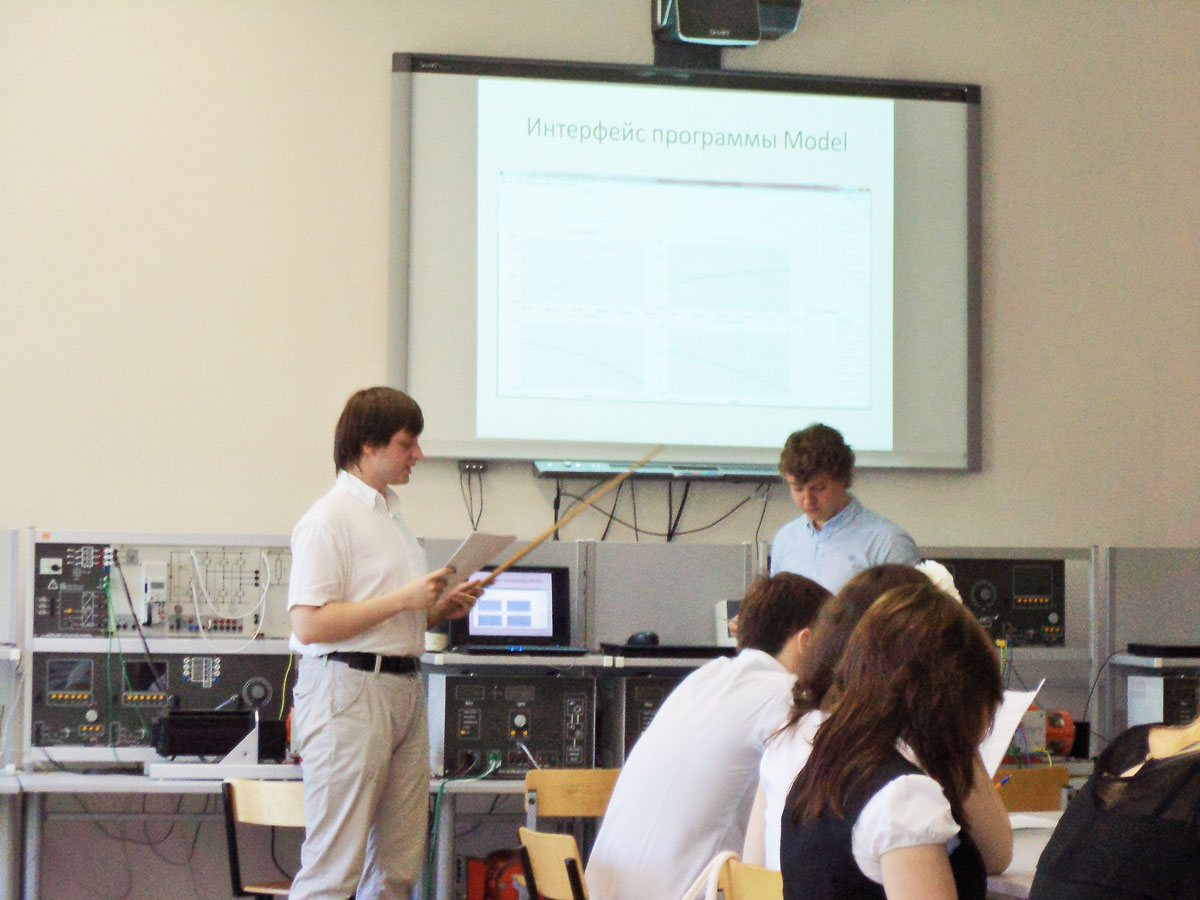
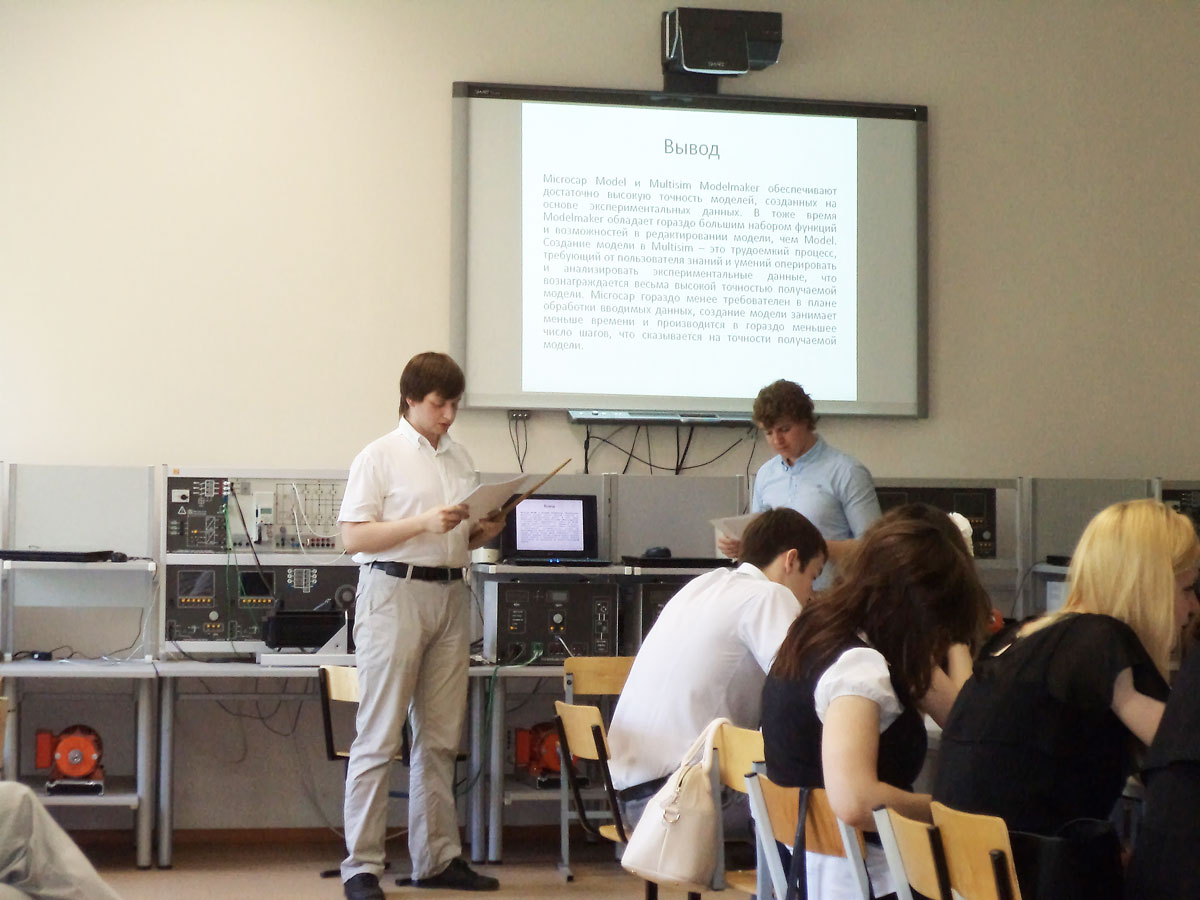
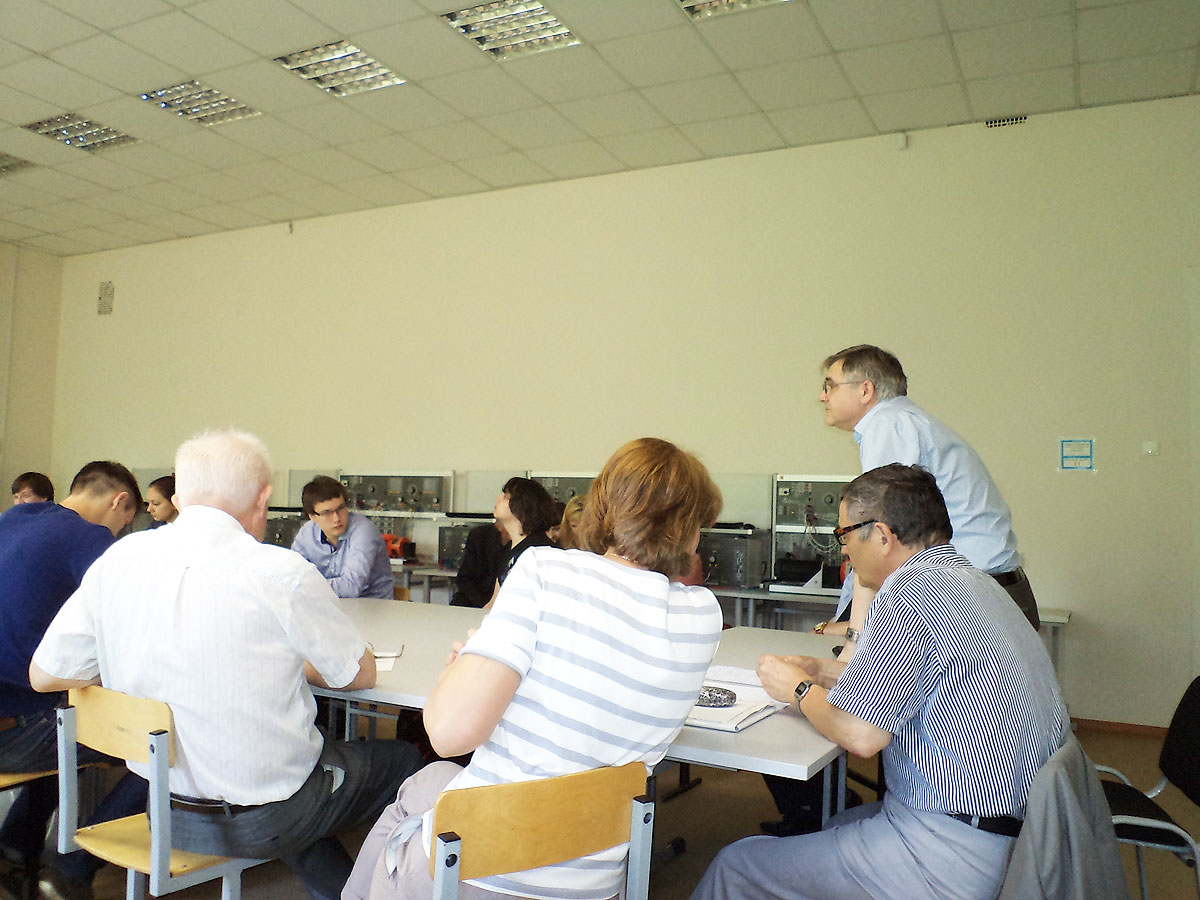
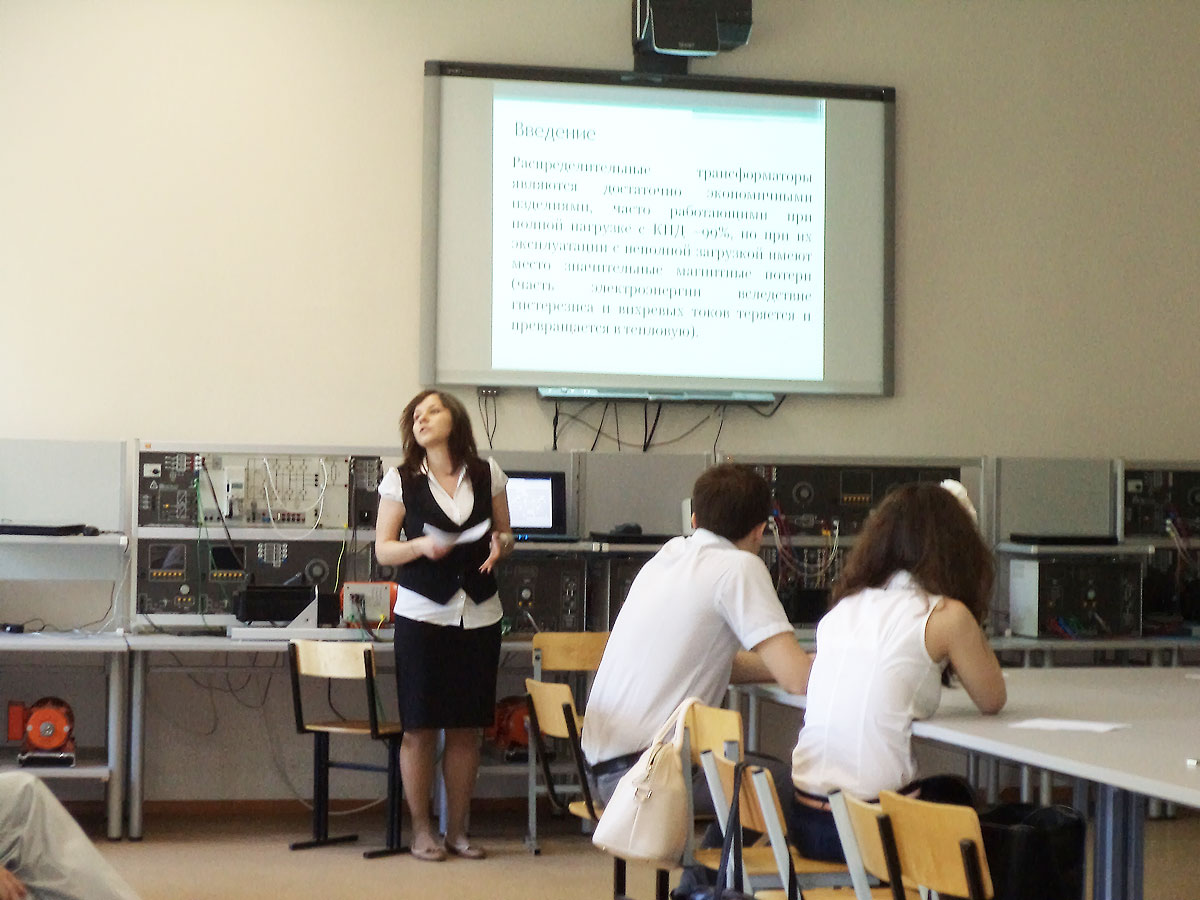
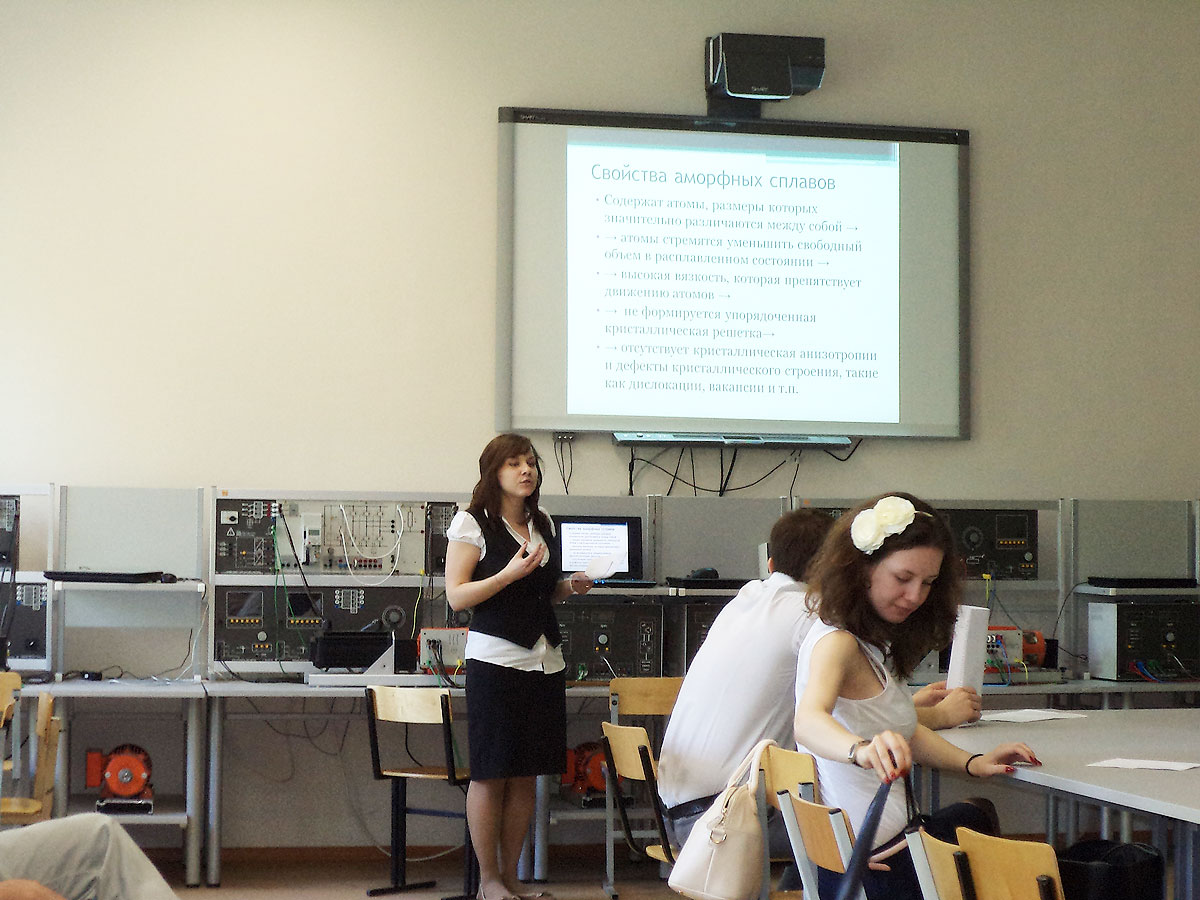
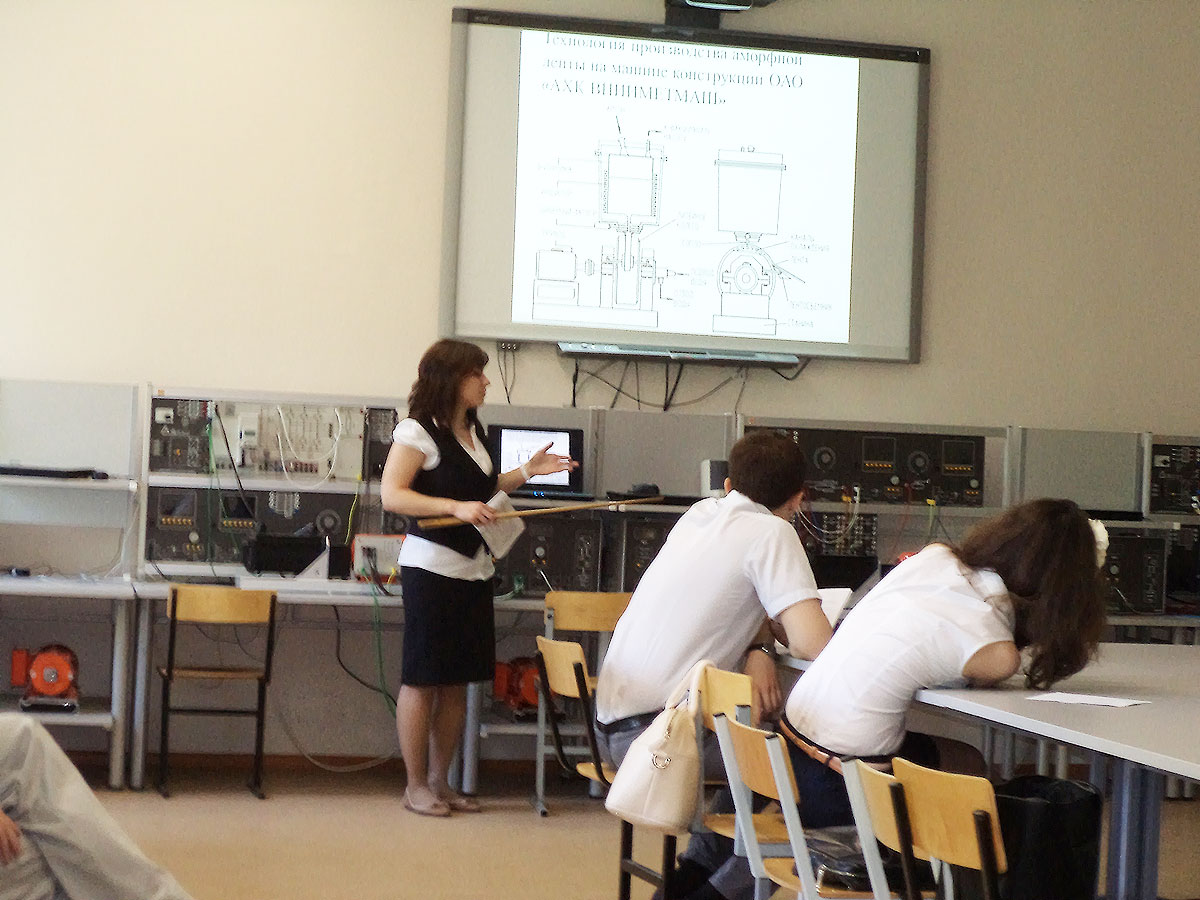
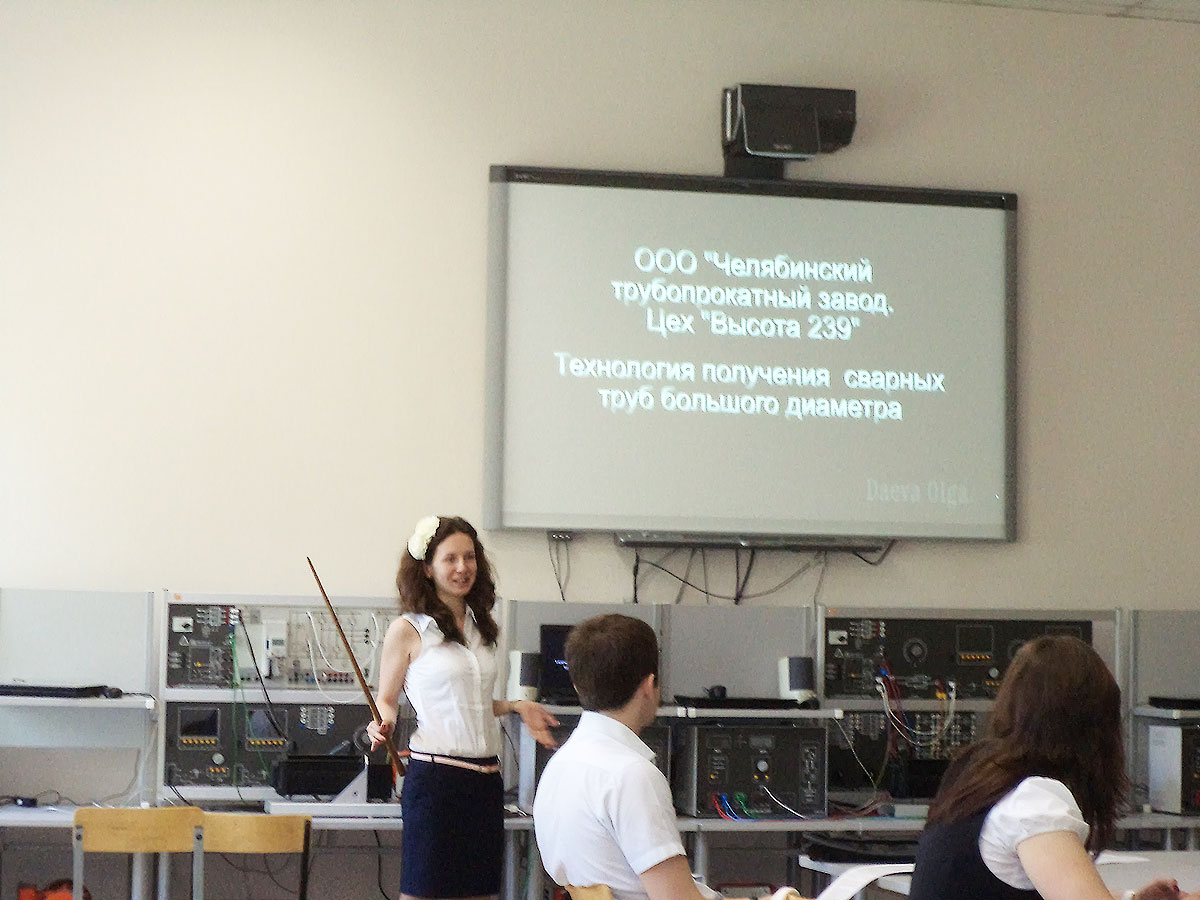
Every spring our department hosts the “Student Spring” conference.
Students of various Bauman University faculties take an active and successful part in electrical engineering olympiads, both at our university and between universities. Typical olympiad problems are in the section problems for olympiad preparation.
News of our department is in the News section.